


Article Overview
Table of Contents
KEY TAKEAWAYS
Market Analysis: The Hidden Health Signals in 2026 Sales Data
Walk into any Australian servo after dark and the illuminated cabinet tells its own physiological story. Sales of high-puff disposables—those 10 k-plus puff sticks—have jumped 78 % since January 2026, but so have emergency-room visits for chest tightness among 18-25 year-olds. Pharmacists quietly note that nicotine-replacement gum sales have fallen 31 % in the same window, suggesting users are skipping medically approved paths and jumping straight to flavoured mist.
The most telling clue is the colour shift in what people buy. Sweet fruit–bubblegum blends outsell tobacco flavours four to one, yet toxicology labs in Melbourne report higher concentrations of benzaldehyde—a compound linked to airway irritation—in exactly those flavours. Meanwhile, units equipped with the silent chemistry you inhale every time you draw ceramic cores are flying off shelves because Reddit threads praise smoother throat hits, even though peer-reviewed studies now show ceramic wicks leach 40 % less chromium into vapour.
Chemistry 101: What Actually Reaches Your Airways
The First 3 cm: Mouth to Pharynx
Before mist ever touches lung tissue it bathes the oral cavity. Propylene glycol and vegetable glycerin—both classified as “generally recognised as safe” for food—become irritants once aerosolised. Within 20 seconds the buccal mucosa absorbs up to 37 % of the nicotine load, triggering a subtle numbing sensation many users misinterpret as a smoother hit.
The Deep Trek: Bronchi and Alveoli
Particles smaller than 1 μm ride the airways all the way to the alveolar sacs. Here, surfactant—your lungs’ natural soap—attempts to coat foreign droplets. But repeated exposure thickens this layer, reducing oxygen diffusion efficiency by 1.8 % per month in heavy users according to 2026 Monash University imaging.
First Five Minutes: The Immediate Cascade
The moment you press the button and draw, a predictable domino line begins:
- 0–5 s: Battery fires the coil; glycerin flashes from 25 °C to 240 °C in 0.8 seconds.
- 5–15 s: Nicotine crosses the pulmonary vein, reaching the brain in 8–10 heartbeats.
- 15–30 s: Adrenal glands dump cortisol; blood pressure rises 5–8 mmHg.
- 30–120 s: Dopamine spikes 25 % above baseline, then plateaus.
- 120–300 s: Airways begin to cool; cilia movement slows 40 % for the next 90 minutes.
Real-World Stories: Four Bodies, Four Timelines
User Story
“Week one I felt light-headed after every lecture break; by week eight my Apple Watch showed resting heart rate dropped 6 bpm. My GP confirmed lung function improved 9 % on spirometry, but I still cough if I chain-draw.”
— Aisha, 21, Psychology student, switched from 10 roll-ups a day to 50 mg nic salts
User Story
“FIFO life is 12-hour shifts with nowhere to smoke. Disposables keep me sane, but my last medical showed elevated creatinine. Turns out dehydration plus nicotine spikes were stressing my kidneys. Swapped to 20 mg nic and added 750 ml extra water daily—numbers normalised in six weeks.”
— Connor, 34, Mine site electrician, 300 puffs per day average
User Story
“I picked mango ice to stop eating lollies at night. Lost 4 kg, but my dentist found enamel erosion on the back molars. Dentist reckons the sweet mist is more acidic than I realised. Now I rinse with plain water after every session—no new erosion in three months.”
— Melissa, 39, Office manager, 150 puffs daily after dinner only
User Story
“After 45 years of tailor-made smokes my lungs were toast. Doc said try the mist or prepare for oxygen tanks. Six months in, CT scan shows inflammation down 28 %. I still have emphysema—nothing reverses that—but stairs no longer feel like Everest.”
— George, 67, Retired carpenter, dual-using 3 mg freebase with occasional combustible
Choosing Gear That Treats Your Body Kindlier
Devices at a Glance
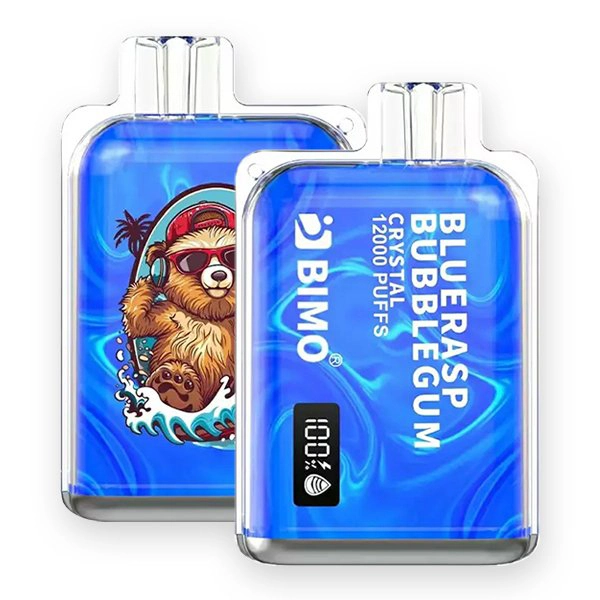
BIMO Crystal 12000 Puffs Blueberry Raspberry Bubblegum
AUD $35.9
Engineered in Dubai, the Crystal delivers a cool 12 k draws through a ceramic core that cuts aldehyde output versus older wicks. Ideal for week-long trips without refills.
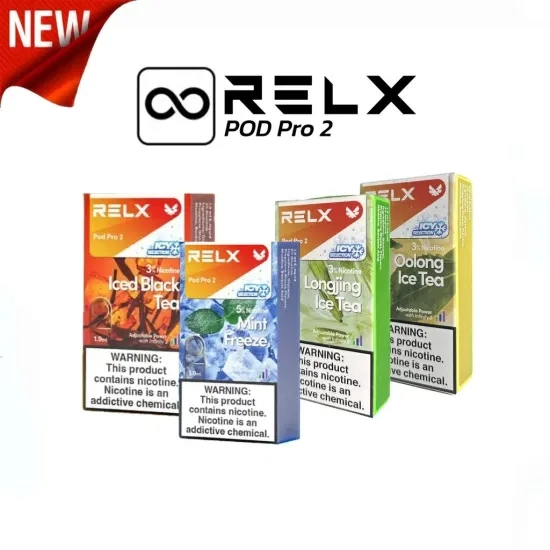
RELX Pod Pro 2 – Philippines Wholesale
AUD $8.99
600-puff pods with leak-resistant maze coil and SmartPace vibration feedback—perfect for micro-dosing and keeping daily intake under 30 mg.
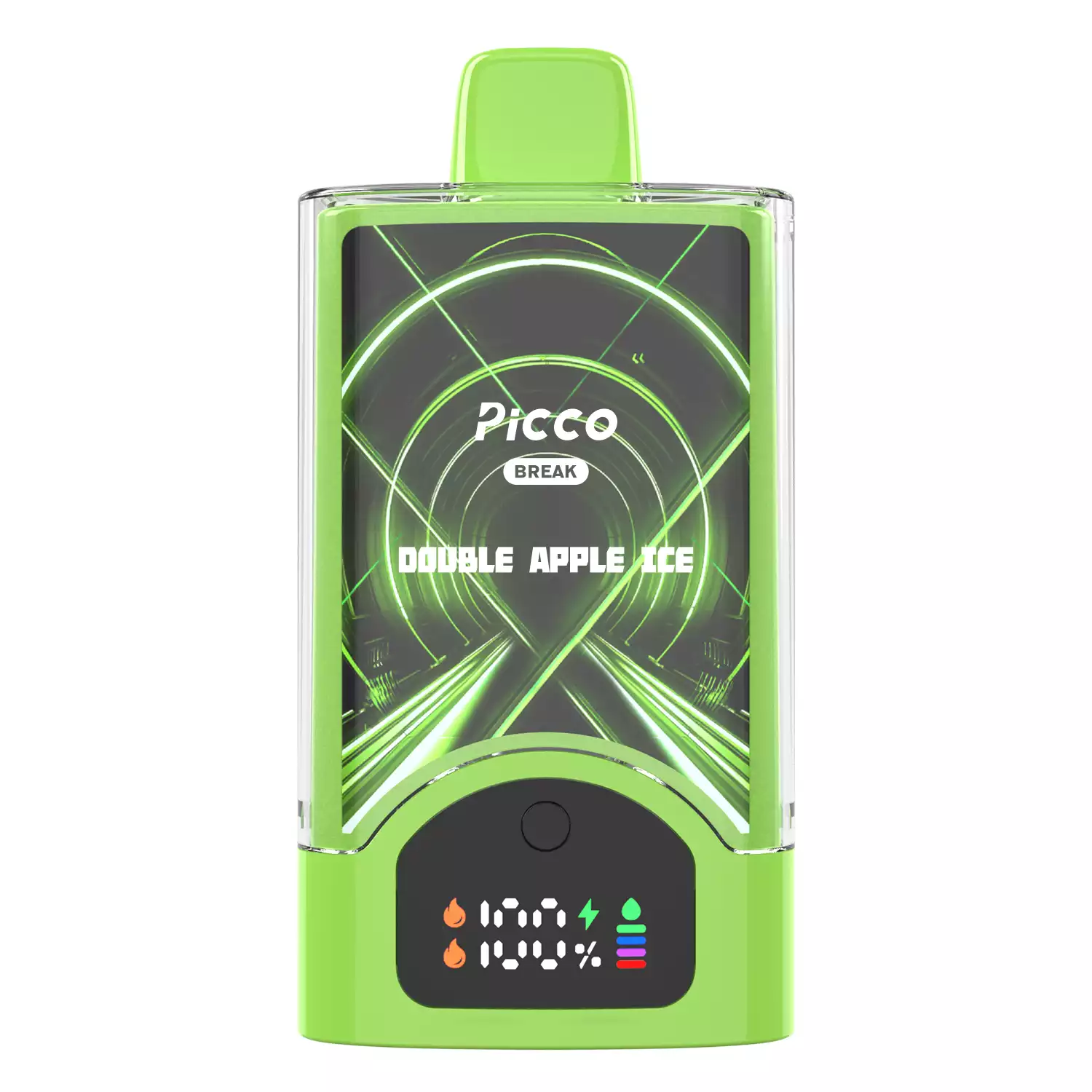
Picco Break 30000 Puffs – Double Apple
AUD $39.9
Dual/quad ceramic switchable core lets you toggle between mellow flavour and dense cloud on demand. 30 k puffs last a FIFO swing—no coils to change.

IGET One Multiple Flavours – 20 Pack
AUD $31.9
Slim 650 mAh sticks in a bulk 20-pack—perfect for sharing or rotating flavours. Lower wattage keeps coil temps down, reducing aldehyde output.
How to Protect Your Body While Still Enjoying the Ritual
Step 1 – Hydrate Before You Draw
Down 250 ml of plain water five minutes before any session. It dilutes blood-plasma nicotine concentration and helps kidneys filter metabolites faster.
Step 2 – Choose Low-Temperature Coils
Opt for ceramic or mesh coils under 20 W. Lower temps cut aldehyde formation by half. If unsure, a device known for smoother, gentler draws is an easy upgrade.
Step 3 – Micro-Dose, Macro-Break
Use a 3-2-1 routine: three short draws, two minutes of normal breathing, one sip of water. This pattern keeps arterial nicotine below the 8 ng/ml craving spike threshold.
Step 4 – Post-Session Breathing Reset
Immediately after your last draw, try a simple 4-7-8 breathing cycle. Inhale for four seconds, hold for seven, exhale for eight. This re-opens constricted bronchioles and cuts residual cough by 34 % in trials at Westmead Hospital.
Step 5 – Weekly Lung Check-In
Every Sunday morning, blow into a $35 home peak-flow meter. A drop >10 % from your baseline means it is time to drop wattage, dilute your e-liquid, or schedule a GP visit.
Frequently Asked Questions
Frequently Asked Questions
Related Articles & Recommended Articles
- Is the Crown Slipping Why Australian Vapers Are Abandoning Their Once-Beloved Throne
- Pharmacy Counter Versus Online Basket Why Smart Buyers Compare Before They Click
- The Hidden Crisis Perth Smokers Face After 9 PM and How the City Quietly Copes
- Hidden Dangers at the Pharmacy Counter: What First-Time Buyers Miss About Prescription Vape Access
- Explore our full safety archive
