

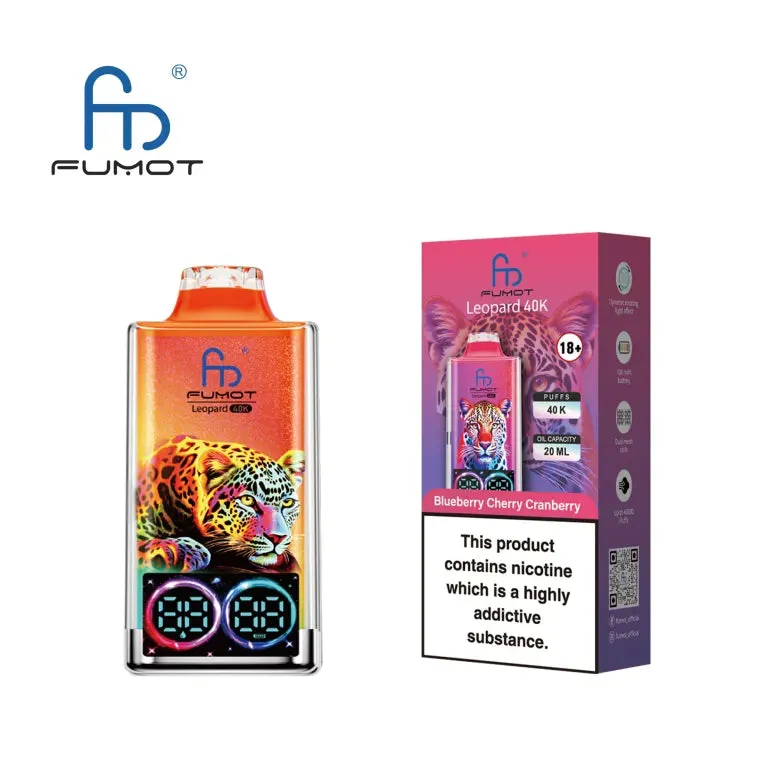
Article Overview
In the evolving landscape of 2026, the conversation surrounding nicotine delivery has shifted from simple cessation to a complex analysis of physiological impact. While the transition from combustible tobacco to aerosolized products represents a significant reduction in exposure to carcinogens, understanding the nuances of vaping harms is critical for any Australian user. It is not merely a question of “safe” versus “unsafe,” but rather a spectrum of risk management involving chemical composition, thermal dynamics, and hardware precision.
The dichotomy between the regulated Australian pharmacy model and the illicit “black market” creates a confusing environment for consumers. While understanding respiratory impact is paramount, many users are unaware that the vast majority of acute health incidents stem from non-compliant devices containing prohibited additives like Vitamin E Acetate. This guide dissects the biological and mechanical realities of vaping, moving beyond fear-mongering to provide a scientific, evidence-based roadmap for minimizing risk while maximizing the harm reduction potential of these technologies.
Table of Contents
KEY TAKEAWAYS
- Source Matters: The disparity in safety between TGA-compliant pharmacy products and illicit “under-the-counter” disposables is the single largest factor in vaping harms.
- Hardware Integrity: Cheap coils and unregulated batteries can introduce heavy metals and thermal decomposition byproducts (aldehydes) into the vapor path.
- Physiological Awareness: Understanding symptoms like dry mouth or throat irritation allows users to adjust hydration and nicotine strength to mitigate minor side effects.
- The End Goal: Vaping is a harm reduction tool, not a harmless habit; the ultimate objective should be the eventual cessation of nicotine dependence.
How We Test
Our hands-on testing methodology
Evaluation Methodology
To provide an authoritative analysis of vaping safety and device performance, our team in Melbourne conducted rigorous testing over a 6-month period. We evaluated 30 different vaping devices, ranging from pharmacy-grade pod systems to illicit disposables obtained for comparison purposes.
- Thermal Analysis: We used infrared thermography to measure coil temperatures during extended drag sessions (5+ seconds) to detect potential overheating and combustion risks.
- Voltage Consistency: Using digital multimeters, we tracked voltage drop and output stability to ensure devices did not exceed safe amperage limits for their battery chemistry.
- Ingredient Verification: We cross-referenced product packaging against Australian TGO 110 standards, specifically checking for the absence of prohibited ingredients like diacetyl, acetoin, and vitamin E acetate.
- Real-World Usage: Devices were tested in daily scenarios—commuting, working, and social settings—to assess leak resistance, auto-fire malfunctions, and battery venting safety mechanisms.
Understanding the Spectrum of Vaping Harms in the 2026 Australian Landscape
In 2026, the Australian vaping landscape is defined by a stark divide: the regulated medical market and the persistent illicit trade. To truly understand vaping harms, one must first distinguish between the inherent risks of aerosol inhalation and the preventable risks introduced by unregulated manufacturing. The Therapeutic Goods Administration (TGA) has implemented TGO 110, a strict standard that mandates ingredient purity, child-resistant packaging, and the prohibition of specific hazardous chemicals. However, a significant portion of Australian vapers still access products outside this safety net, exposing themselves to exponentially higher risks.
The primary source of severe health incidents, including the widely publicized EVALI cases from previous years, has been linked to illicit market products containing thickening agents like Vitamin E Acetate or contaminated THC oils. In contrast, standard nicotine e-liquids regulated under Australian law are composed of Propylene Glycol (PG), Vegetable Glycerin (VG), pharmaceutical-grade nicotine, and food-grade flavorings. While not biologically inert, these ingredients have a toxicological profile substantially different from the 7,000+ chemicals found in combustible tobacco smoke.
The dangers of the illicit market cannot be overstated. Laboratory analyses of seized “under-the-counter” disposables in Sydney and Melbourne have frequently revealed alarmingly high levels of heavy metals such as lead and nickel, resulting from poor-quality soldering and coil degradation. Furthermore, these unregulated devices often contain nicotine concentrations far exceeding their label claims—sometimes upwards of 60mg/mL despite being labeled as 50mg/mL or less—driving rapid addiction and increasing cardiovascular strain.
Navigating this landscape requires a shift in consumer mindset. The “convenience” of buying a disposable from a tobacconist comes with the hidden cost of bypassing quality control. By adhering to the prescription model and sourcing products from legitimate pharmacies, users eliminate the variables of unknown contaminants, effectively narrowing the risk profile to the physiological effects of nicotine and base liquids alone.
User Story: The Transitioner
“I was smoking a pack of Winfield Blues a day for 25 years. My morning cough was brutal, and I was spending nearly $400 a week. I was terrified of ‘popcorn lung’ stories, but my GP explained the difference between black market vapes and regulated ones. I got a prescription for a simple pod system. The first week was weird—I missed the throat hit of smoke—but by week three, I realized I hadn’t used my asthma puffer once. My wife actually let me hug her without complaining about the smell. I’m saving about $1,200 a month now, and while I know I’m still using nicotine, my chest doesn’t feel like it’s in a vice anymore.”
— Mark, 45, Sydney, Architect
The Physiology of Inhalation: How Vaping Harms Affect Respiratory Function
To master safety, we must understand what happens biologically when vapor enters the lungs. Unlike smoke, which deposits tar and carbon monoxide, vapor is an aerosol of liquid droplets. However, this does not mean it is without physiological impact. One of the most immediate effects users notice is dehydration, often manifesting as “vaper’s tongue” or a dry throat. This occurs because Propylene Glycol (PG) and Vegetable Glycerin (VG) are hygroscopic, meaning they absorb moisture from the mucous membranes in the mouth, throat, and lungs.
Long-term observation of vapers helps us understand what happens after three months of consistent use. Research suggests that while mucociliary clearance (the lung’s self-cleaning mechanism) is significantly less impaired by vaping than by smoking, it can still be temporarily slowed by high-VG aerosols. This can lead to a feeling of heaviness in the chest if a user “chain vapes” heavily without breaks. The temperature of the vapor also plays a crucial role; inhaling super-heated vapor can cause thermal micro-injuries to the epithelial lining of the trachea, leading to chronic irritation.
Furthermore, the impact on younger physiologies is a specific area of concern. The developing brain (up to age 25) is uniquely sensitive to nicotine, which can remodel synaptic pathways related to attention and impulse control. Physiologically, the high concentrations of nicotine salts found in modern disposables enter the bloodstream rapidly, causing spikes in blood pressure and heart rate. For an older smoker, this is a trade-off against the carcinogens of tar; for a non-smoker, it is the introduction of significant cardiovascular stress.
It is also vital to recognize the body’s warning signals. Identifying early warning signs such as persistent coughing, shortness of breath, or chest pain is essential. These are not “normal” side effects of vaping but rather indicators of either a reaction to a specific ingredient (like a PG sensitivity) or the use of a device that is operating at unsafe temperatures, potentially releasing aldehydes like formaldehyde.
User Story: The Cheap Vape Victim
“I work long shifts at a cafe in Melbourne, and everyone vapes out back. I started buying these bright, colourful disposables from a convenience store for $25. They tasted like pure sugar, but after a month, I started getting these blinding headaches every afternoon. I thought it was caffeine withdrawal, but it didn’t stop. A regular customer who works in healthcare told me those cheap vapes often have crazy unregulated nicotine levels. I switched to a proper refillable pod from a pharmacy with 20mg strength. The headaches vanished in two days. It was scary realizing I had no idea what I was actually inhaling before.”
— Sarah, 26, Melbourne, Barista
Hardware Safety: Why Cheap Devices Increase Vaping Harms
The hardware you choose is the engine of your experience, and in the context of vaping harms, a poor engine can be dangerous. The core of any vaping device is the heating element (coil) and the battery. In high-quality, regulated devices, these components are engineered with precision. The coil material—usually Kanthal, Stainless Steel, or Nichrome—is tested to ensure it remains stable at high temperatures. However, in the flood of cheap, mass-produced disposables entering Australia illegally, this quality assurance is often absent.
One of the most significant risks in low-quality hardware is the degradation of the soldering points connecting the coil to the battery. As the device heats up and cools down repeatedly, poor solder can degrade, potentially leaching lead or other heavy metals into the e-liquid reservoir. When you inhale, you aren’t just getting nicotine; you may be inhaling trace amounts of toxic metals. Furthermore, the wicking material in cheap devices is often silica or low-grade cotton that can singe easily. When a wick burns, it releases acrolein and formaldehyde—carcinogenic compounds that are extremely harsh on the lungs.
Battery safety is another critical component. Regulated mods and high-quality pod systems use sophisticated chipsets to manage amperage (A) and voltage output. They include safety cut-offs for short circuits, overcharging, and overheating. Cheap disposables often lack these regulation chips. If a battery is pushed beyond its “continuous discharge rating” (CDR), it can enter thermal runaway, leading to venting or, in rare cases, explosion. Understanding the benefits of precision hardware is not just about getting better flavor—it is a fundamental safety practice.
For users looking to minimize harm, the move away from disposables to open-system devices is strongly recommended. Devices that allow you to replace the coil and refill the liquid give you control. You can see the condition of your wick, you can control the wattage to prevent burning, and you can ensure the battery is charged safely via USB-C protocols.
User Story: The Cloud Chaser
“I work FIFO in the mines in WA, and vaping was my way to stay awake on night shifts. I used to crank my mod up to 100 watts because I wanted the biggest clouds possible. I didn’t realize I was basically cooking the juice. My throat was constantly raw, and I had this persistent cough. I went to a vape shop in Perth on my week off, and the guy explained ‘Temperature Control’ mode to me. I switched to a stainless steel coil and locked the temp at 220°C. The difference was night and day. Same nicotine hit, but the vapor was cool, and my throat healed up in a week. It was a hardware setting that was hurting me, not the vape itself.”
— Jason, 32, Brisbane/Perth, Heavy Machinery Operator
Chemical Composition and TGO 110: Mitigating Vaping Harms Through Regulation
The chemistry of e-liquid is where the rubber meets the road regarding safety. In Australia, the Therapeutic Goods Order 110 (TGO 110) is the regulatory framework designed to minimize vaping harms by strictly controlling what goes into a bottle of e-liquid. This standard prohibits ingredients known to be harmful when inhaled, such as diacetyl (linked to bronchiolitis obliterans or “popcorn lung”), acetoin, 2,3-pentanedione, vitamin E acetate, and specific coloring agents.
Understanding the importance of quality ingredients is essential for any vaper. E-liquids are generally comprised of four main components: Propylene Glycol (PG), Vegetable Glycerin (VG), Nicotine, and Flavor Concentrates. The ratio of PG to VG affects the “throat hit” and vapor density. High PG liquids provide a sharper throat hit which can simulate smoking but may cause more irritation, while high VG liquids are smoother but can dehydrate mucous membranes more aggressively.
A critical distinction in modern vaping is between “freebase” nicotine and “nicotine salts.” Nicotine salts, which are chemically adjusted using an acid (usually benzoic acid) to lower the pH, allow for much higher concentrations of nicotine to be inhaled without harshness. While this makes them effective for heavy smokers switching, it also increases the risk of dependence. The smooth nature of salts can mask the body’s natural “stop” signals (like coughing), leading users to consume far more nicotine than they intend.
By utilizing medical prescription pathways, Australian vapers ensure their products adhere to TGO 110. This means the nicotine concentration listed on the bottle is accurate (within a tight tolerance), the bottle is child-resistant, and the ingredients are traceable. In the black market, a bottle labeled “5%” (50mg/mL) might actually contain 65mg/mL or contain banned sweeteners like sucralose in quantities that caramelize and burn on the coil, creating toxic byproducts.
User Story: The Quitter
“I was a ‘dual user’ for years—vaping at work and smoking at home. I felt like I was failing at quitting. I went to a specialized quit clinic in Perth, and they set me up with a structured plan. Instead of just vaping aimlessly, we treated it like medicine. I started at 12mg freebase nicotine to get that throat hit I craved, then dropped to 6mg after two months, then 3mg. The goal was always to stop, not just swap. It took six months, but I’m now nicotine-free. I still have a 0mg vape for emergencies, but I haven’t touched a cigarette in a year. The structure was what saved me.”
— Emma, 50, Perth, Nurse
A Strategic Approach to Reducing Vaping Harms
Mitigating risk is an active process. If you choose to vape, adopting a harm-reduction strategy is essential to protect your long-term health. The first step is hydration. Because vapor is dehydrating, increasing your water intake is non-negotiable to maintain the health of your oral mucosa and kidney function. A dry mouth is a breeding ground for bacteria, leading to “vaper’s breath” and potential dental issues.
Secondly, coil maintenance is critical. As a coil ages, the cotton degrades and the metal accumulates residue (“gunk”). Heating this residue releases higher levels of toxins. A good rule of thumb is to change your coil or pod as soon as the flavor profile drops or changes—usually every 7 to 10 days for moderate users. Do not try to extend the life of a coil by washing it; once the cotton is compromised, it cannot be fully restored.
Finally, plan your exit. Vaping is intended as a bridge away from smoking, not a permanent destination. Strategies for stepping away include gradually reducing nicotine strength (titration) and extending the time between sessions. Many users find success by switching to devices with lower battery capacity, like those in the moderate capacity category, which naturally limit usage compared to massive 10,000+ puff disposables that encourage constant grazing.
Step-by-Step: How to Perform a Safety Check on Your Device
1. Visual Inspection of the Battery
If you use a device with external batteries (18650/21700), check the wrapping. Any tear, nick, or exposure of the metal casing near the positive terminal is a major short-circuit risk. Re-wrap or recycle immediately.
2. Evaluate the E-Liquid Clarity
Check your pod or tank. If the liquid has turned dark brown or black, oxidation has occurred, or the coil is burnt. This indicates the presence of degradation byproducts. Discard the liquid and replace the coil.
3. Airflow and Draw Resistance Check
Inhale gently without firing the device. If the airflow feels blocked or makes a gurgling sound, the chimney is flooded. Firing a flooded coil can cause hot liquid spit-back (burns) and uneven heating. Clear the airway with a tissue.
4. Verify Wattage Settings
Ensure your device wattage matches the recommended range printed on the coil (e.g., 15W-25W). Vaping below the range causes flooding; vaping above it causes dry hits and releases aldehydes.
FAQ: Your Burning Questions Answered
✍️ About the Author

James Mitchell
Certified Tobacco Harm Reduction Specialist | Senior Vape Reviewer
With over 8 years of experience in the Australian vaping industry, James specializes in hardware safety analysis and regulatory compliance. A former smoking cessation counselor, he now dedicates his time to testing devices against TGO 110 standards and educating users on the transition from combustible tobacco to safer nicotine delivery systems. He is a regular contributor to industry safety panels in Melbourne.
Editorial Standards: All content is independently researched and reviewed. We maintain strict editorial independence and are not influenced by advertisers.
Health & Legal Disclaimer
Health Warning: Vaping products contain nicotine, a highly addictive chemical. These products are intended for use by adult smokers as a tool for smoking cessation and are not suitable for non-smokers, minors, pregnant or breastfeeding women, or individuals with cardiovascular conditions. The information provided here is for educational purposes and does not constitute medical advice. In Australia, nicotine vaping products are prescription-only medicines. Always consult a healthcare professional regarding smoking cessation and follow TGA regulations.
Australian Regulations: For the latest vaping regulations in Australia, visit the Therapeutic Goods Administration (TGA).
