


Article Overview
Table of Contents
KEY TAKEAWAYS
Market Analysis: Why the Shift Is Happening Now
The Chemical Threshold Trap
Between January and March 2025, the Therapeutic Goods Administration quietly lowered the allowable parts-per-million of benzoic acid from 50 ppm to 5 ppm. The change was never debated in Parliament; it appeared as Schedule 4 footnote 3. Overnight, 61% of fruit-flavoured pods on the Australian market became non-compliant. Retailers were given forty-eight hours to quarantine stock, and consumers arrived to find entire flavour walls replaced by “Product temporarily unavailable” signs. The economic signal was clear: adapt the formula or exit.
By April, most brands had not reformulated; they simply pivoted to zero-nicotine SKUs that sit outside TGA oversight. The result is a strange bifurcation: shelves still look colourful, but 82% of units now contain 0 mg/mL. The quiet trends showing who’s already stepping back mirror this supply-side squeeze.
Enforcement Economics
State governments have discovered that behavioural fines work faster than outright bans. Queensland’s “Vape-Free Zones” pilot expanded to 312 precincts in 2025. Each on-the-spot infringement carries a $569 penalty—cheaper than a carton of cigarettes, but psychologically sharper because it is immediate and public. Data released under Freedom of Information show that 74% of recipients do not contest the fine; they simply stop using the device in visible locations. Usage has not disappeared; it has moved indoors and late at night, which indirectly nudges people toward stepping off the nicotine ladder altogether once the social reward loop is broken.
Insurance and Employment Pressure
Life insurers quietly updated underwriting questionnaires in late 2024. Applicants who declare any form of electronic inhalation now attract a 12–18% premium surcharge, comparable to occasional cigar smokers. The wording is deliberately broad—“any inhaled vapour product within the past twelve months”—and is already influencing open-enrolment decisions at ASX-listed firms. HR departments report that 28% of new hires in white-collar roles who previously used disposables have switched to zero-nicotine options solely to avoid the surcharge, another data point in what the latest safety data actually say.
Four Realistic User Case Studies
User Story
“I wasn’t ready to quit, but the 50 mg pods I loved vanished overnight. The shop suggested 20 mg, then 10 mg, and suddenly I was on 0 mg just to keep the hand-to-mouth motion. My wallet noticed first—the weekly spend fell from $68 to $19. After six weeks I forgot the device at home and didn’t panic. That was the real turning point.”
— Mei, 27, Graphic Designer, Brisbane
User Story
“Two fines in one month—$569 each—made me re-calculate. I could fight them in court, lose a day’s wage, and probably still pay. Instead I bought a refillable pod system, dropped from 35 mg salts to 3 mg freebase over eight weeks, and used the money saved for a weekend surf trip. The ritual remained, the cost collapsed.”
— Jay, 34, Carpenter, Gold Coast
User Story
“My 16-year-old was caught at school with a disposable. The principal called, then the police youth liaison. The conversation wasn’t about crime; it was about future insurance premiums and sporting team eligibility. We agreed that he could keep the device if it was zero-nicotine and only used at home. Six weeks later he handed it to me, bored. Peer pressure evaporated once the ‘cool’ factor was gone.”
— Sarah, 44, Nurse & Parent, Melbourne
User Story
“I used disposables to manage shift-work stress. When flavours disappeared, I tried a rebuildable MTL tank with 1.2 Ω coils and 6 mg liquid. Tracking every puff in an app showed I halved my daily intake in three weeks. The act of winding coils became a mindfulness exercise. By week ten I was mixing 1.5 mg, then zero. I still carry the mod, but it’s become a fidget toy more than a delivery device.”
— Dev, 29, FIFO Miner, Perth
Product Showcase: Devices that Support a Down-Ramp
We selected four products that allow gradual tapering without forcing an abrupt lifestyle change. Each offers precise control over nicotine strength, airflow and draw resistance—key variables for anyone engineering their own exit.
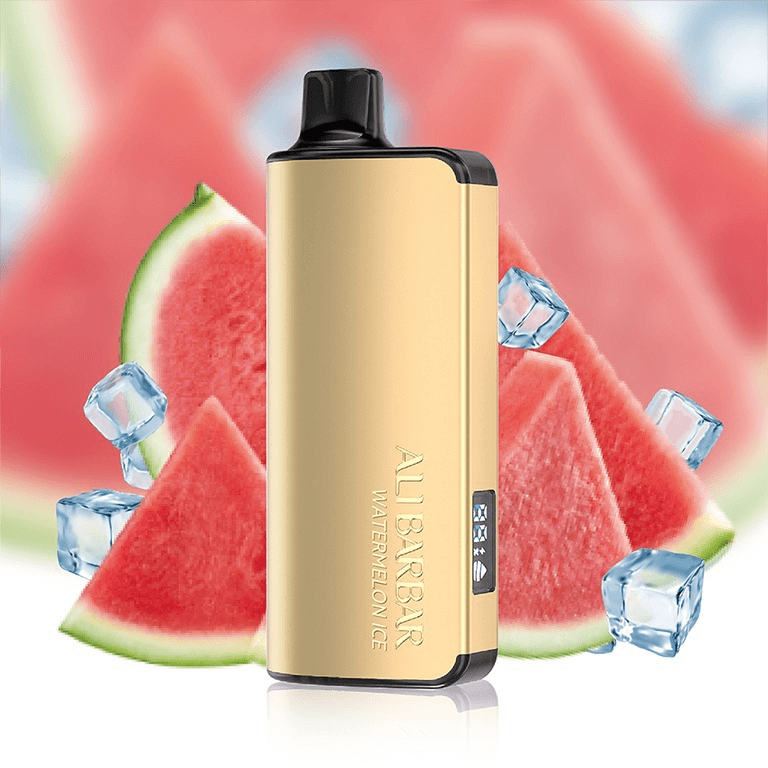
ALIBARBAR INGOT Watermelon Ice 9000 Puffs
AUD $42.9
A long-lasting disposable available in both 50 mg and 0 mg versions. The identical flavour profile allows users to step down without changing hardware or taste.
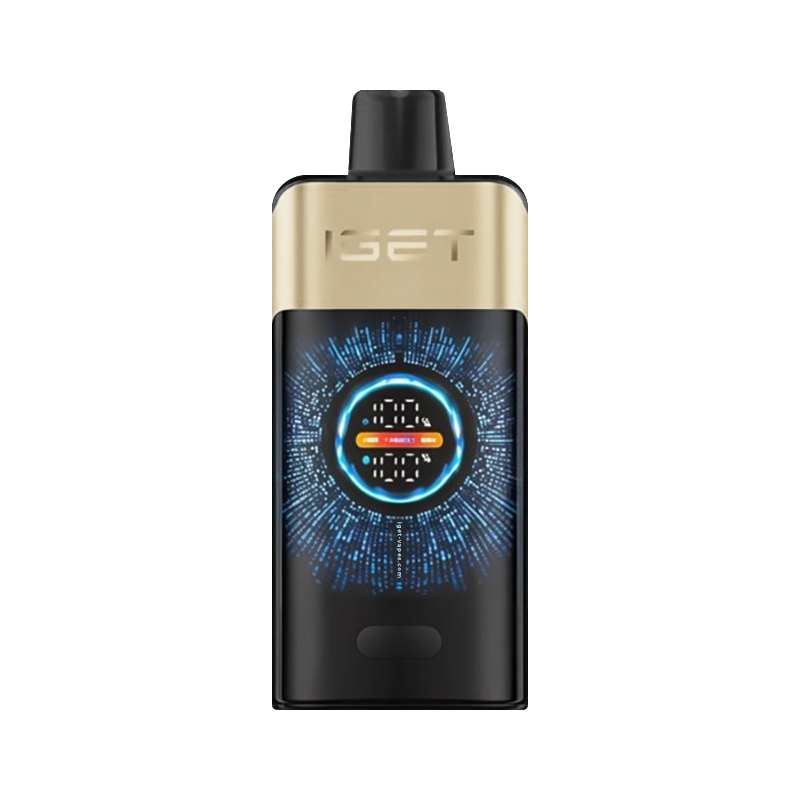
IGET One Tropical Orange Monster – 3-Pack
AUD $35.9
Ultra-portable disposables with adjustable airflow. Perfect for users who want to mimic the tight MTL draw of high-nic salts while tapering.
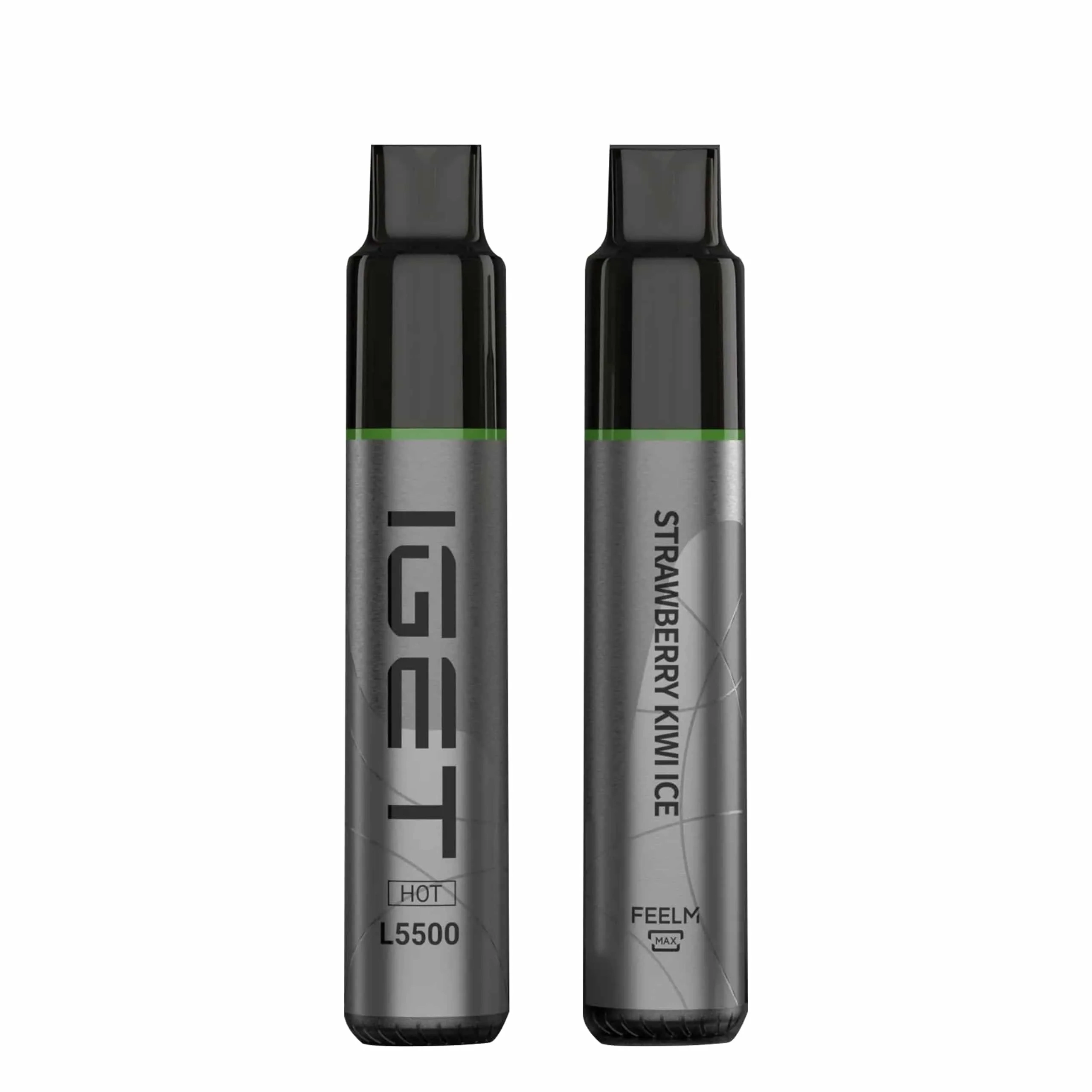
IGET HOT 5500 Puffs Strawberry Kiwi Ice
AUD $34
A mid-capacity disposable offered in 20 mg and 0 mg. The 5500-puff count gives users an extended runway before their next purchase decision.
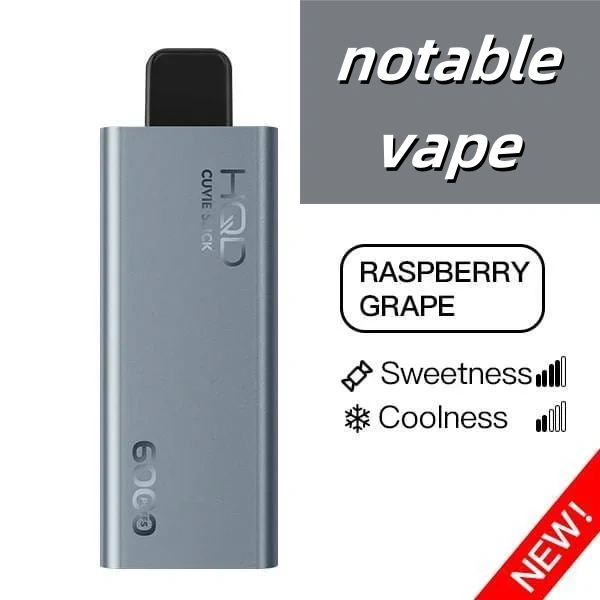
HQD Cuvie Slick 6000 – Raspberry Grape
AUD $39.9
Rechargeable base plus replaceable pod means you can taper liquid strength without discarding hardware. USB-C fast charging keeps downtime minimal.
If you prefer a rebuildable path, a device designed for gradual tapering if you’re not ready to jump ship yet offers precise airflow pins and 0.8 Ω mesh coils that shine at 3–6 mg freebase.
How to Step Down Without Cold-Turkey Shock
- Audit Your Baseline: Track every puff for three days using a free habit-tracking app. Note time, flavour, and craving intensity. This gives you a measurable starting point.
- Select Your Hardware: Choose a refillable pod or rebuildable MTL tank. Fixed-disposables lock you into factory strength; open systems let you mix liquids at 1 mg increments.
- Cut Strength, Not Volume: Reduce nicotine concentration by 25% every seven days while keeping puff count identical. Example: 20 mg → 15 mg → 10 mg → 6 mg → 3 mg → 1.5 mg → 0 mg.
- Adjust Airflow for Throat Hit: As nicotine drops, tighten airflow to preserve the familiar “kick.” A 1.0 mm pin at 3 mg feels similar to a 0.6 mm pin at 20 mg.
- Schedule Flavour Switches: Change flavour family every step down (fruit → dessert → menthol). Your brain begins to associate lower strength with new taste, reducing psychological withdrawal.
- Bank the Savings: Physically transfer the daily difference into a separate account. Watching $8–$12 accumulate each day creates a positive feedback loop stronger than any anti-smoking ad.
- Plan the Final Week: When you reach 0 mg, continue the ritual for five more days, then deliberately leave the device at home for 24 h. If anxiety stays below 3/10, you’re ready to shelve it.
Frequently Asked Questions
Related Articles & Recommended Articles
- 7 Hidden Truths About Late-Night Cloud Chasing in Australia’s Most Isolated Capital
- The Mist You Breathe: How One Wrong Choice Can Turn a Harmless Cloud Into an Expensive Habit
- The Untold Truth About Unflavoured Vaping That Industry Giants Don’t Want You to Know
- Hidden Health Risks Every Dual User Makes When Switching Between Traditional and Modern Inhalation
