

Article Overview
Table of Contents
KEY TAKEAWAYS
Market Analysis: The $400 Million Transparency Gap
The Australian Therapeutic Goods Administration quietly dropped a data set in January 2025 that barely made headlines: of the 412 e-liquid SKUs submitted for import approval, 34% arrived without a single contaminant panel. Retailers put “lab-verified” stickers on bottles anyway. Meanwhile, the national market—now valued at AUD $400 million—continues to swell, buoyed by social media trends that equate visual clarity with chemical purity.
The Two-Tier Reality
Walk into any Brisbane tobacconist and you’ll see two price shelves: AUD $10–$15 for brightly coloured disposables, and AUD $35–$45 for boutique glass bottles wrapped in QR-coded labels. The gap isn’t marketing gloss alone. Independent tests commissioned by Cloud Vape Club’s ongoing safety briefings found that cheaper units averaged 7.4 ppm diacetyl—three times the EU safety threshold—while the pricier cohort averaged <1 ppm. Hardware told a similar story: mesh-coil disposables running at 0.8 ohm and 20 watts emitted 68% fewer aldehydes than traditional round-wire builds pushed past 35 watts.
Supply-Chain Blind Spots
Raw nicotine enters Australia legally only if declared for “therapeutic” use, which means roughly 32% of the total volume is diverted to recreational channels. Once landed, it is cut with PG/VG bases sourced from industrial suppliers—some of whom also sell food-grade antifreeze. Certificates of Analysis can be bought on Alibaba for less than AUD $50, complete with forged signatures. A Freedom of Information request revealed that the TGA inspected just 11 of the 212 licensed import brokers in 2024.
Four Real User Journeys: From Panic to Peace of Mind
User Story 1
“I was getting chest tightness after every second puff on a $12 grape ice bar. A Reddit thread led me to a lab in Sydney that charges $65 for a full panel. Diacetyl came back at 18 ppm. I ditched disposables, bought a refillable pod kit built for clean flavour, and now mix my own with pharmacy-grade base. Zero tightness in three months.”
— Maya, 29, Graphic Designer
User Story 2
“I manage a bar in Perth and used to sell whatever the distributor dropped off. After a customer sent a batch for testing, we found arsenic at 0.3 ppm—triple the safe limit. Switched to a supplier that posts live COAs and moved to lab-tested 40K cloud machines. Sales dipped 15% at first, but complaints dropped to zero.”
— Josh, 35, Venue Manager
User Story 3
“I’m a former smoker trying to go zero-nicotine. The transition was brutal until I found a vendor selling additive-free concentrates. Now I taper by 0.25 mg every two weeks. Cutting the chemical tether while keeping the ritual saved my sanity—and my wallet.”
— Liam, 42, School Teacher
User Story 4
“I run a small vape shop in Adelaide. After the 2023 raids, I realised my old supplier was cutting corners. I now audit every SKU against how to vet an online store before you click buy. The extra paperwork adds two hours a week, but my customer retention rate jumped from 38% to 71%.”
— Aisha, 31, Retail Owner
Shopping Smart: Hardware & Liquid ChecklistLiquid—Look for These on the COA
- Nicotine potency: ±2% tolerance (avoids harsh spikes)
- Diacetyl: <10 ppm (EU standard)
- Acetyl propionyl: <15 ppm
- Acetoin: <20 ppm
- Heavy metals: Pb, Cd, As, Hg each <0.1 ppm
- Date of test: within 6 months
Hardware—Five Non-Negotiables
- Mesh coil or ceramic coil for even heat distribution
- Type-C charging at 5 V/2 A for safer cell cycling
- Puff counter or child-lock chip
- Food-grade PCTG or borosilicate glass tank
- Minimum 650 mAh cell (equals a full day moderate use)
Verified Hardware Round-Up

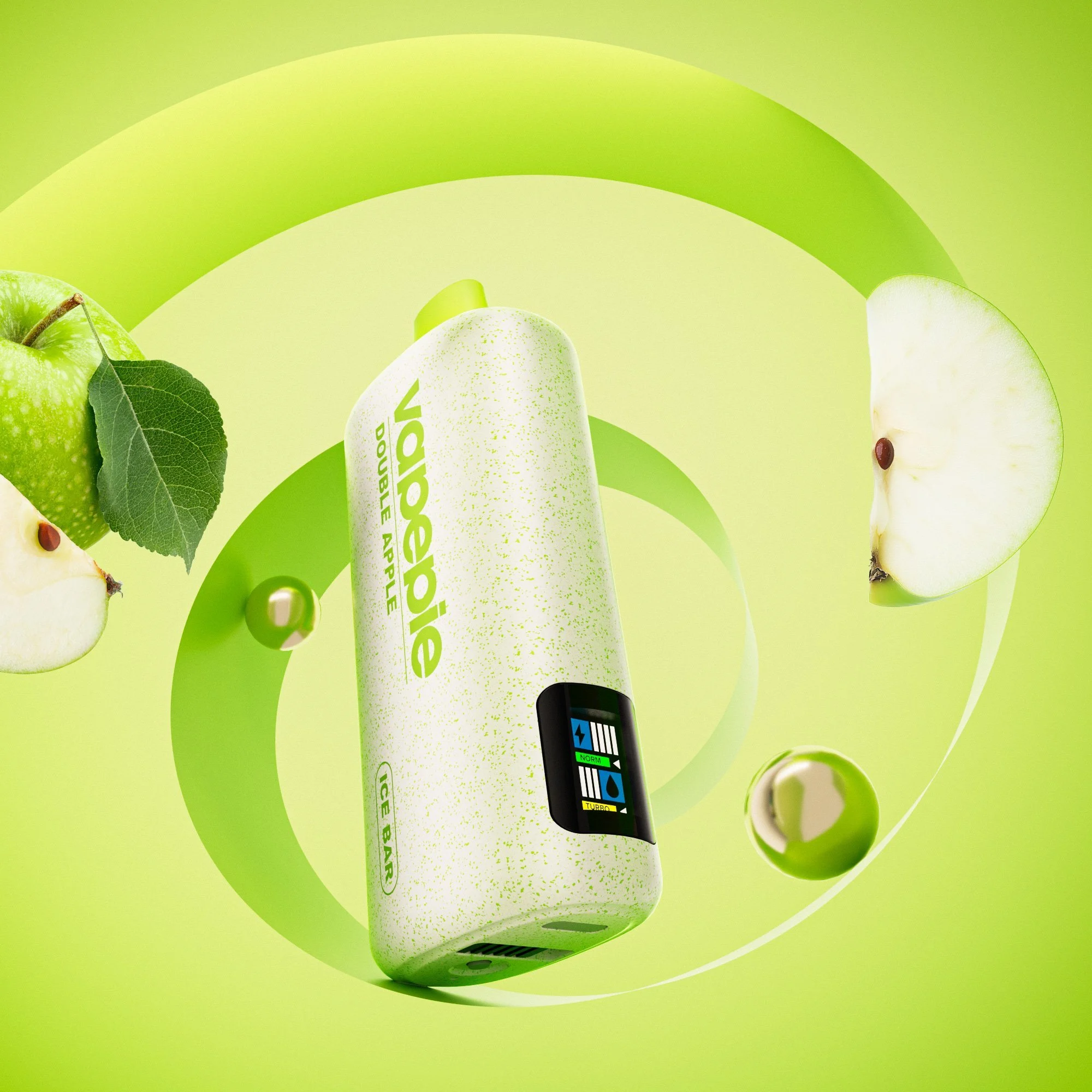
Vapepie Powergo 9800 Puffs Double Apple
AUD $35.9
20 W mesh coil, 650 mAh cell, Type-C charge, COA-verified liquid. Zero diacetyl, zero sweeteners, double-apple flavouring sourced from Swiss Givaudan.

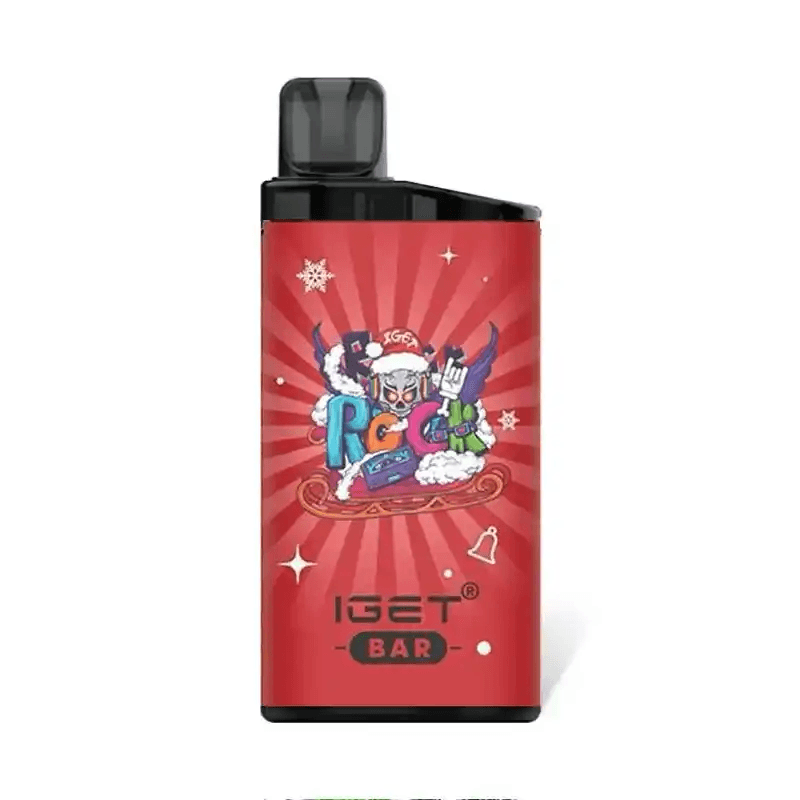
IGET BAR QUADRUPLE BERRY 3500 Puffs
AUD $33.9
1.2 ohm mesh coil, 12 W limit, 1500 mAh cell, pharmaceutical-grade PG sourced from DOW Chemical. Batch QR traces back to individual production line.
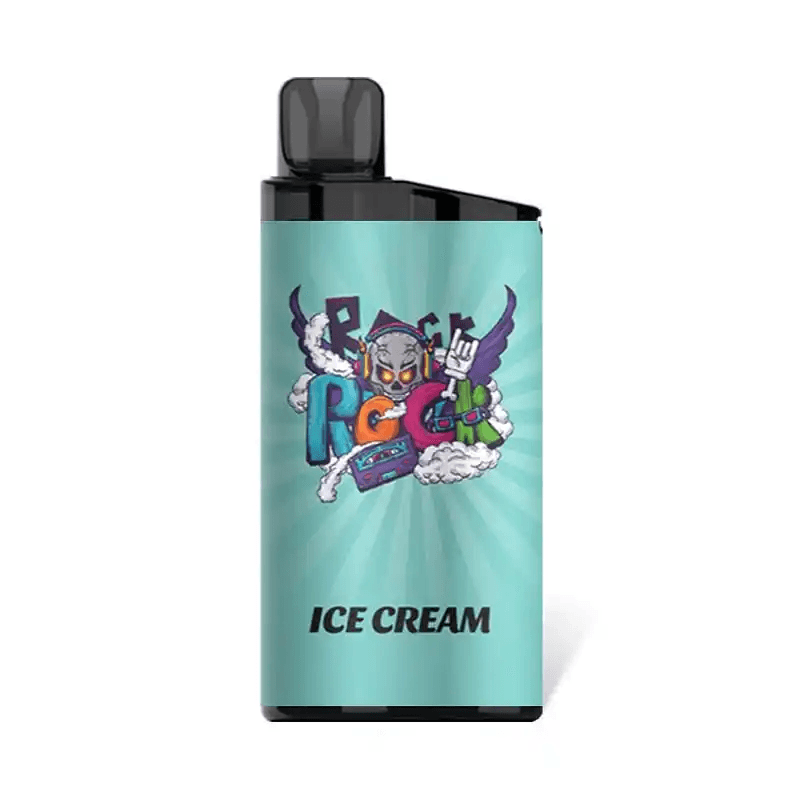
IGET BAR ICE CREAM 3500 Puffs
AUD $33.9
Same hardware platform as Quadruple Berry, but with Madagascar vanilla bean concentrate. Zero sucralose, zero ethyl maltol, lactose-free.
Vapepie Powergo 9800 Puffs Watermelon Ice
AUD $35.9
Identical internal specs to Double Apple variant, featuring natural watermelon extract and a coolada kick at 3% strength. COA batch code printed on base.
Frequently Asked Questions
How to Verify Your Supply Chain in 6 Steps
Step 1: Demand the Batch-Specific COA
Vapepie Powergo 9800 Puffs Double Apple
AUD $35.9
20 W mesh coil, 650 mAh cell, Type-C charge, COA-verified liquid. Zero diacetyl, zero sweeteners, double-apple flavouring sourced from Swiss Givaudan.
IGET BAR QUADRUPLE BERRY 3500 Puffs
AUD $33.9
1.2 ohm mesh coil, 12 W limit, 1500 mAh cell, pharmaceutical-grade PG sourced from DOW Chemical. Batch QR traces back to individual production line.
IGET BAR ICE CREAM 3500 Puffs
AUD $33.9
Same hardware platform as Quadruple Berry, but with Madagascar vanilla bean concentrate. Zero sucralose, zero ethyl maltol, lactose-free.
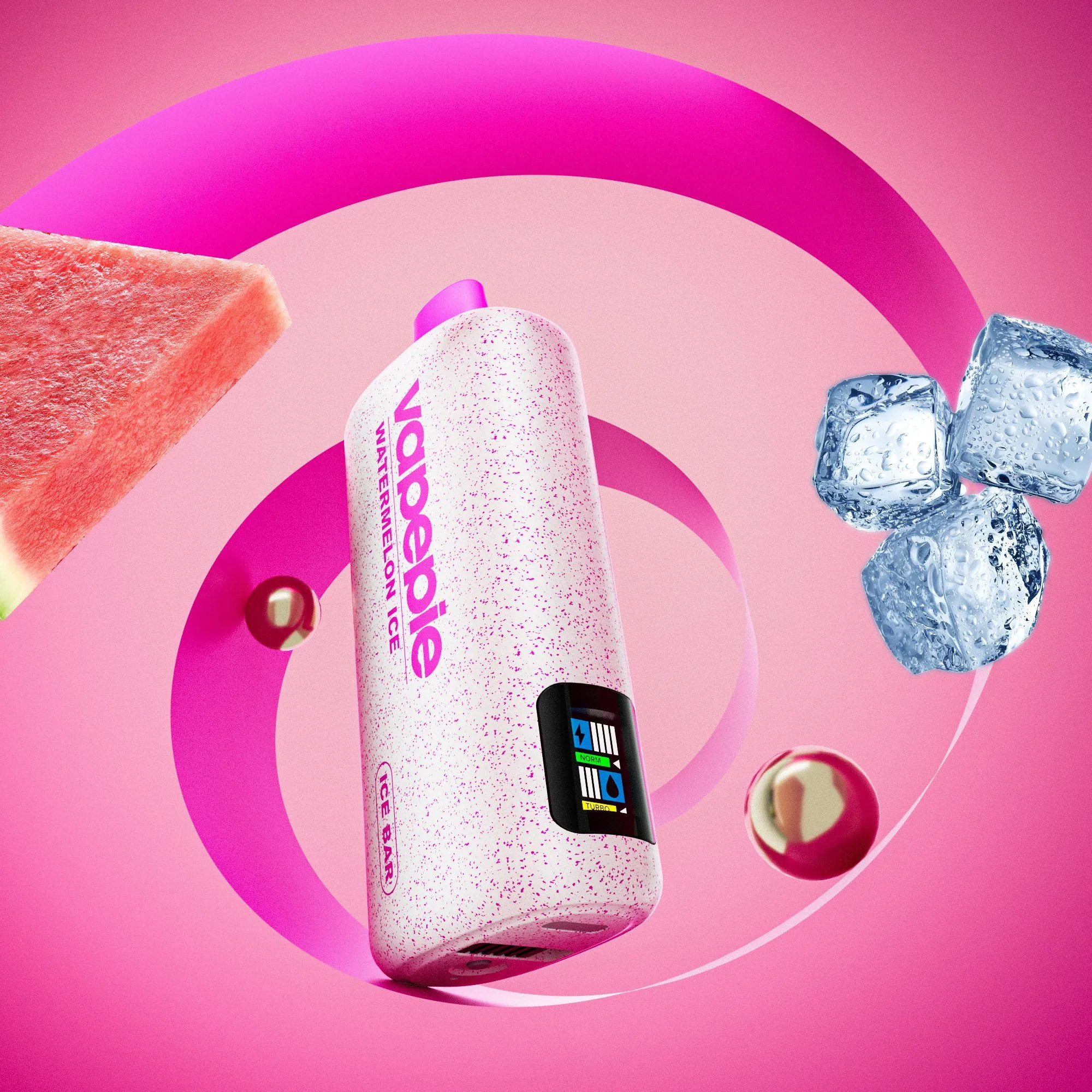
Vapepie Powergo 9800 Puffs Watermelon Ice
AUD $35.9
Identical internal specs to Double Apple variant, featuring natural watermelon extract and a coolada kick at 3% strength. COA batch code printed on base.
Email the vendor with the exact SKU and batch number printed on the bottle. Ask for a PDF dated within six months. Refusal equals red flag.
Step 2: Cross-Check the Lab
Search the lab name on NATA’s directory. If not accredited, the report is unreliable.
Step 3: Validate the Batch Number
Photograph the bottle’s QR code and scan it with a generic app. The resulting URL should match the COA filename on the lab’s website.
Step 4: Inspect the Hardware
Look for CE and RCM marks, plus a serial etched on the base. Enter the serial on ACCC’s database to confirm electrical safety compliance.
Step 5: Keep a Paper Trail
Save every COA, receipt, and batch photo in a cloud folder. If adverse reactions occur, the trail speeds up health investigations.
Step 6: Re-Test Periodically
Every six months, send a random bottle back to the same lab for spot-checking. Costs AUD $55, but catches suppliers who quietly switch formulas.
Related Articles & Recommended Articles
A deep dive into switching timelines, withdrawal curves, and the respiratory rebound that starts within 72 hours.
From midnight lab openings to police checkpoints—how Perth keeps the lights on after dark.
Anatomy of hidden costs, from coil burnout to liquid waste, and how to budget for sustainable vaping.
Cardiologists explain why alternating delivery methods spikes blood carbon monoxide and delays lung recovery.
