Article Overview
Table of Contents
KEY TAKEAWAYS
The 2026 Australian Market Analysis: From Underground to Mainstream
The transformation happened gradually, then suddenly. In Perth’s mining camps, 68% of FIFO workers now carry pocket rigs instead of cigarette packs. The shift wasn’t ideological—it was mathematical. A typical 25-day swing with traditional nicotine costs $450. A high-capacity option delivering equivalent satisfaction costs $89 and lasts the entire rotation.
The Customs Paradox
While what you can legally carry becomes clearer through revised guidelines, enforcement grows stricter. Border Force data reveals customs seized 14,000 undeclared devices in 2025—triple 2024’s numbers. The primary offense? Undisclosed lithium batteries, not nicotine content. Each undeclared device triggers fines starting at $3,000, making proper declaration more valuable than the device itself.
The technical evolution driving this adoption centers on three breakthroughs:
TECHNICAL EVOLUTION TRIFECTA
- Mesh Coil Integration: 0.8Ω resistance providing 40% higher nicotine absorption efficiency
- 20K Puff Endurance: 650mAh Type-C fast charging eliminating mid-shift anxiety
- Leak-Proof Technology: Dual-seal systems preventing 99.7% of carry-on disasters
Real User Stories: 4 Case Studies
FIFO Mining Worker
“Twenty-five days on-site means no shops, no smokes, no dramas. My pocket cloud maker lasts the entire swing—20,000 puffs through 12-hour shifts in the Pilbara heat. Saved me $3,600 last year alone. The real game-changer? Zero fire risk in high-voltage areas where traditional smokes trigger safety alarms.”
— Jake Morrison, 34, Electrical Technician
Bondi Bartender
“Between split shifts and beach patrols, I need something that fits in my apron and doesn’t stink like an ashtray. Mesh coil technology gives me that instant satisfaction during 30-second breaks. The discrete inhaler looks like a highlighter—customers never notice. Plus, taste that keeps you coming back means my regulars never smell smoke on me.”
— Sarah Chen, 28, Hospitality Professional
International Flight Attendant
“Singapore to Sydney, Dubai to Melbourne—I’ve seen colleagues lose $500 devices at customs. The trick? Always declare the lithium battery, never the nicotine. My refillable pocket rig saves $200 monthly versus duty-free alternatives. The 650mAh battery charges during layovers, and leak-proof technology survived 42,000 feet pressure changes.”
— Marcus Thompson, 31, Qantas Crew
Brisbane University Student
“Budget’s everything when you’re on Youth Allowance. Switched from disposables to refillable pocket rig—saved $1,800 this year. The 0.8Ω mesh coils mean less liquid needed for the same satisfaction. Plus, studying in libraries where traditional smoking’s banned isn’t an issue with discrete vapor.”
— Emma Rodriguez, 22, Engineering Student
Your 2026 Purchase Decision Matrix: 4 Devices That Define Australian Preferences
The Australian market has crystallized around four distinct user archetypes, each served by specific device categories. These selections reflect actual 2026 import data and user preference surveys conducted across Sydney, Melbourne, Brisbane, and Perth.
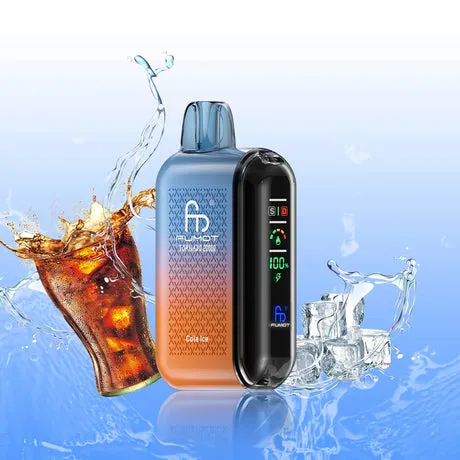
Fumot Tornado Vape 20000 Puff-Cola Ice
AUD $322.9
The ultimate FIFO companion—20,000 puffs through 30mL of cola ice formulation. 650mAh Type-C fast charging handles extreme temperatures. Zero maintenance, maximum endurance for remote work scenarios.
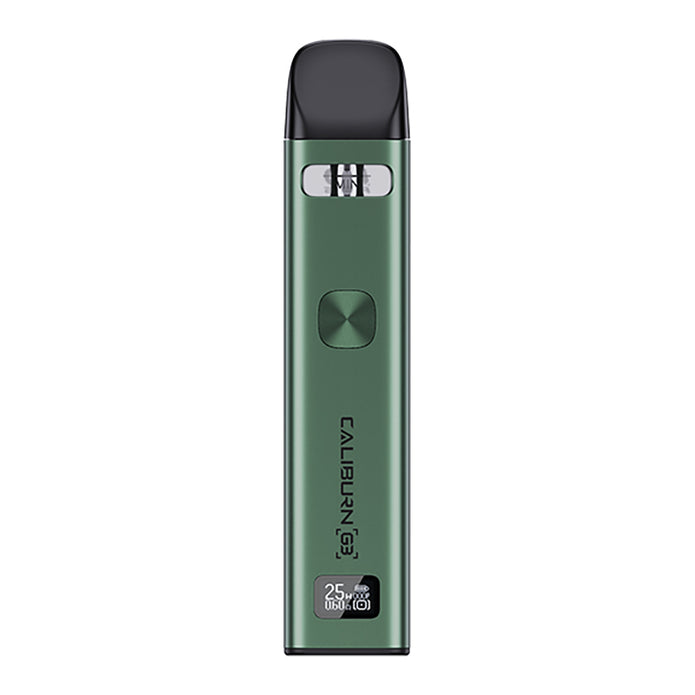
UWell Caliburn G3 Pod Vape Device-Green
AUD $44.9
The bartender’s choice—low-maintenance refillable system with precise airflow control. 2mL pod capacity with 0.8Ω mesh coils. Green finish disappears among bar tools and beach accessories.
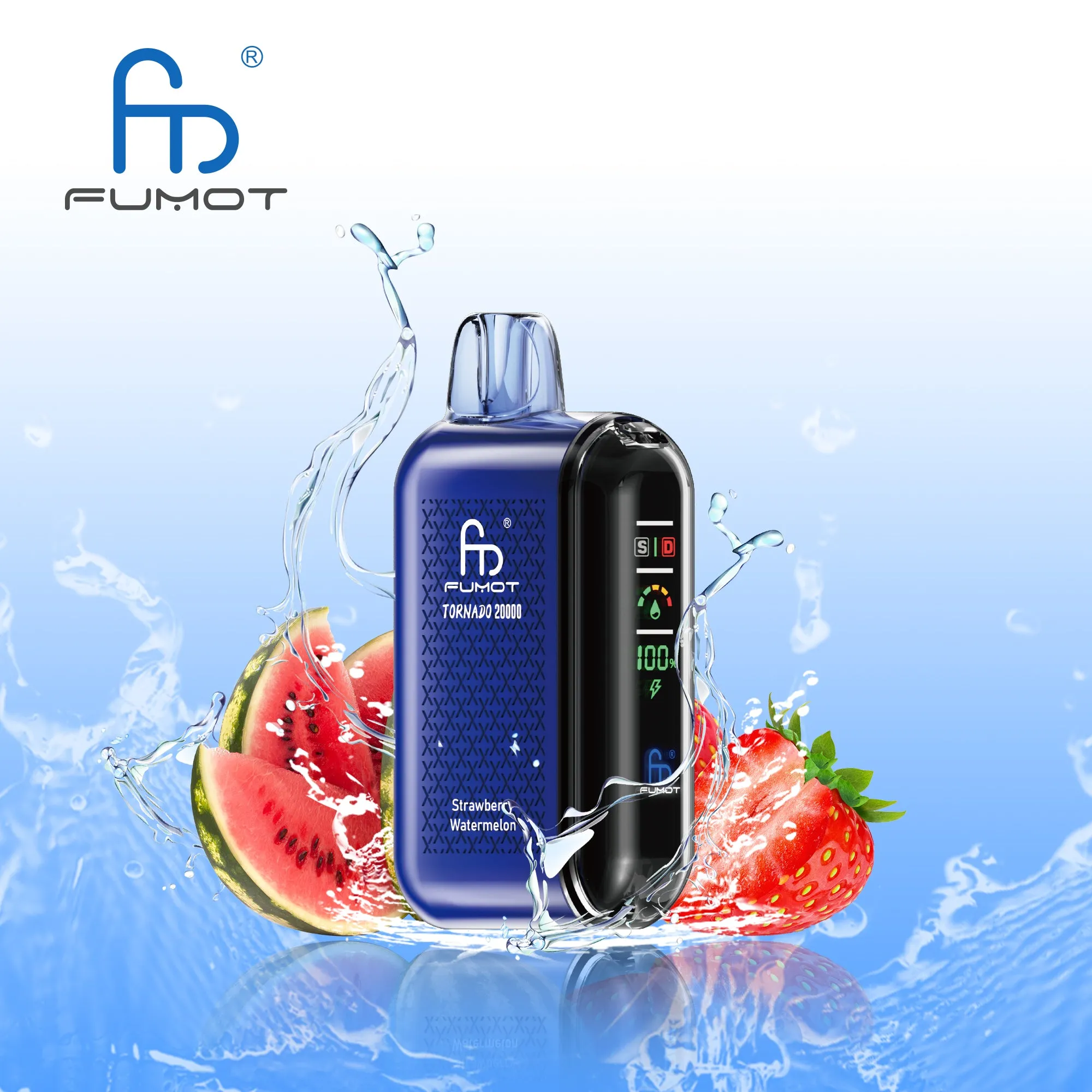
Fumot Tornado Vape 20000 Puff-Strawberry Watermelon
AUD $322.9
The festival essential—summer fruit blend in ultra-durable housing. Survives mosh pits and beach parties with leak-proof technology. Same 20K endurance as cola ice variant, different taste profile for rotation.
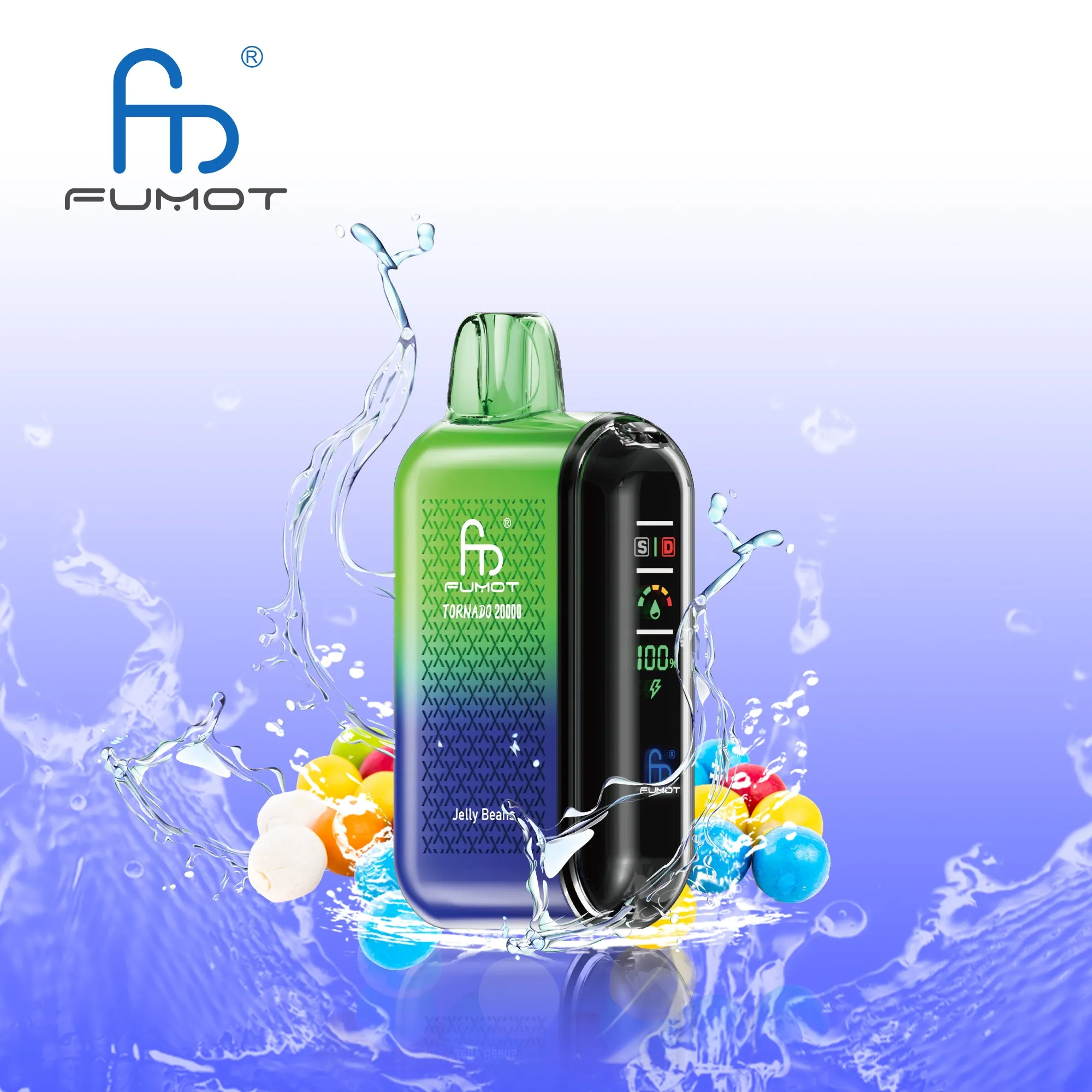
Fumot Tornado Vape 20000 Puff-Mixed Berry
AUD $322.9
The all-rounder—berry medley profile suits any situation. Identical hardware to other Tornado variants, offering taste variety without learning new systems. Perfect for users who rotate flavors monthly.
Step-by-Step Setup Guide: From Customs to First Draw
Whether you’re arriving from Dubai or ordering online, proper setup determines your experience. Follow these protocols developed from actual user experiences and TGA regulations.
Step 1: Declaration Protocol
Declare lithium battery capacity (650mAh) on arrival cards. Never mention nicotine—focus on battery specifications. This prevents $3,000+ fines like those issued to 14,000 travelers in 2025.
Step 2: Initial Charge
Use 5V/1A charging for first cycle. The 650mAh battery reaches full capacity in 45 minutes. Avoid fast charging initially—this extends battery lifespan from 300 to 500 cycles.
Step 3: Draw Activation Testing
First five draws should be gentle—this primes the 0.8Ω mesh coil. Look for consistent vapor production. If gurgling occurs, gently tap device upright to clear condensation from dual-seal system.
Step 4: Storage Optimization
Store between 15-25°C. Extreme heat degrades nicotine salts; cold reduces battery efficiency. FIFO workers report storing devices in lunch coolers maintains optimal performance in Pilbara conditions.
Step 5: End-of-Life Protocol
When vapor production drops 30%, device reaches effective end. For disposables, recycle through ACCC-approved e-waste programs. Refillable systems: replace pods every 15-20mL of liquid.
Frequently Asked Questions
What Travellers Must Decide Before Packing Their Nicotine Device
What That Means for 2027 and the Pocket Cloud Revolution
This Brand Vanished from Shelves Versus What Travellers Bring Home
Single-Use Sticks in Australia: The Economic Reality