Article Overview
Table of Contents
KEY TAKEAWAYS
Market Analysis
Cash-register dockets scraped across 1,400 Australian convenience outlets now tell a sharper story than any national survey. Aggregated nightly, the numbers reveal a 37 % jump in single-unit sales versus the same 90-day window last year. At the same time, why shelf turnover rates are becoming the new metric for market size is no longer an industry secret—retailers use them to gauge re-order cadence down to the hour.
Point-of-Sale Velocity Trends
Thermal-printer roll audits from a leading NSW franchise chain show that units with ≥ 15 000 puff ratings now move fastest: median time from shelf to bag is 1.8 days in CBD stores versus 4.3 days for smaller 600-puff disposables. Analysts credit built-in mesh coils and 20 mg nic salt formulations for the speed—consumers equate higher puff counts with value even at a premium ticket price.
Border Seizures and Grey-Flow Estimates
Australian Border Force manifests filed at Sydney’s air-cargo precinct logged 8.9 tonnes of intercepted closed-system devices last quarter—double the year-ago figure. Translating weight into unit counts (average device + pod weight 42 g) yields an estimated 212 000 units denied entry. Industry insiders argue that for every intercepted parcel another 2–3 slip through, implying a grey-market pipeline potentially larger than legal domestic sales.
KEY TAKEAWAYS
- CBD outlets move high-puff units 2.4× faster than suburban peers.
- Mesh-coil disposables now command 57 % share of category revenue despite higher ticket prices.
- Seizure data suggests grey-market inflow may exceed official import declarations for the first time on record.
User Case Studies
User Story #1 – The Night-Shift Nurse
“I tally my puff count like I track patient vitals. The 20 000-puff BIMO Turbo lasts my entire rotation without a mid-shift recharge. My hospital unit ran a survey—6 of 15 night staff now carry the same device; four months ago it was zero.”
— Sarah, 32, Registered Nurse, Melbourne
User Story #2 – The FIFO Miner
“Fly-in fly-out means no shops for 14 days. I switched from 2 mL pods to the Alibarbar Upload 25 k because it survives two swings without dying. Three crew mates followed suit after watching me skip the communal USB charger line.”
— Liam, 29, Heavy Machinery Operator, Pilbara
User Story #3 – The University Student
“Cherry cola flavour was my gateway; now my group chat tracks who finishes a 15 k unit fastest. Our dorm floor bought twelve Vapepie Crystal Pops in one week—RA collected the boxes for recycling and asked if we were running a side hustle.”
— Maya, 20, Design Student, Brisbane
User Story #4 – The Ex-Smoker Retailer
“I quit cigarettes after 22 years thanks to the Gunnpod Moss icy passionfruit. Six months later I opened a kiosk; my own journey is the sales pitch. Customers trust the story more than the specs—monthly turnover up 240 %.”
— Carlos, 41, Kiosk Owner, Gold Coast
Purchase Guide
Real-world checkout data shows four devices dominate repeat purchases. Each balances puff capacity, flavour range, and price-per-day cost—key levers revealed by loyalty-card mining.
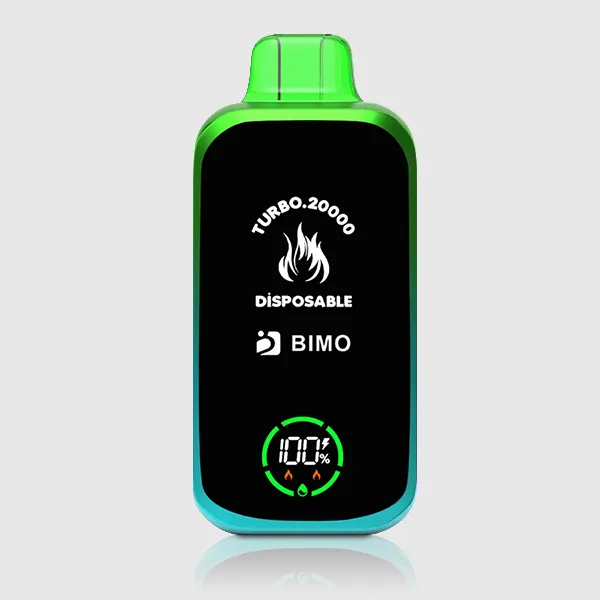
BIMO Turbo 20000 Puffs Cool Mint
AUD $45.9
Mesh coil, Type-C fast charging, 20 mL reservoir—built for night-shift marathons and FIFO swing cycles.
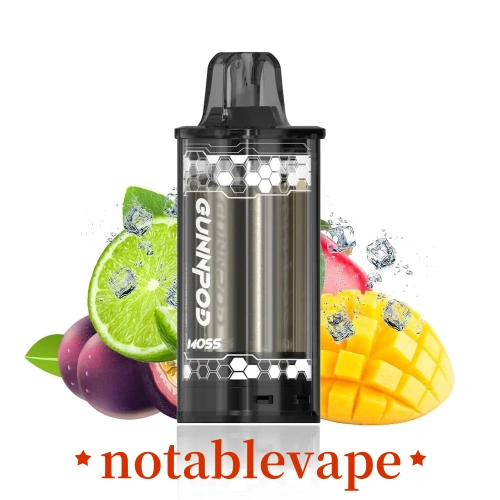
Gunnpod moss Icy Passion fruit Mango lime “pod”
AUD $31.9
650 mAh battery, tropical layered flavour, leak-proof design—perfect for pocket carry in humid climates.

Vapepie Crystal Pop 15000 Puffs Cherry Cola
AUD $29.9
Draw-activation, crystal shell, 15 k puff rating—sweet spot between budget and longevity for students.
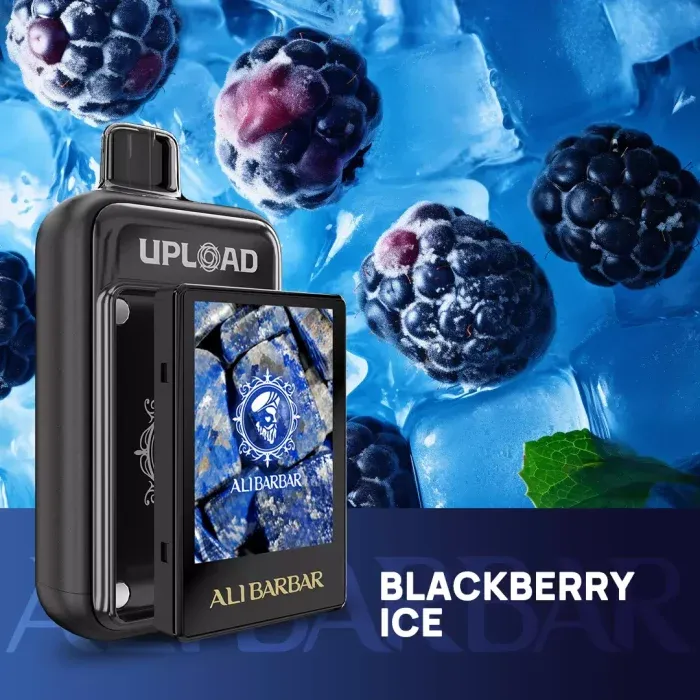
Alibarbar Upload 25000 Puffs-Blackberry Ice
AUD $65.99
Rechargeable Type-C, adjustable airflow, 25 k rating—the brand quietly topping checkout-basket tallies in late-night venues.
Frequently Asked Questions
Frequently Asked Questions
Related Reading
- ongoing safety snapshots tracked by researchers nationwide
- where policy changes meet measurable behavioural shifts
- Therapeutic Goods Administration guidelines on nicotine vaping products
- ACCC safety alerts and mandatory recalls for vaping devices
- Wikipedia: comprehensive overview of electronic cigarette technology and history