Article Overview
Table of Contents
KEY TAKEAWAYS
Combustion Chemistry: Why Flames Create 7 000 Chemicals
Light dried leaf and temperatures spike past 800 °C. At that heat, cellulose breaks into carbon monoxide, benzene rings fuse into poly-aromatic hydrocarbons, and tobacco-specific nitrosamines form when nicotine meets nitric oxide in the burning tip. The Australian Therapeutic Goods Administration lists more than 60 known carcinogens in this matrix, many riding on ultra-fine particles that dive deep into alveoli.
Because combustion is self-sustaining, the chemical factory keeps rolling as long as oxygen reaches the ember. Each puff pulls fresh air across glowing coal, pyrolysing new toxic by-products while depositing tar—a sticky aerosol of microscopic carbon droplets—onto airway linings. That tar carries metals like cadmium and lead, which disable cilia, the microscopic brooms that normally sweep mucus and pathogens upward toward the throat.
Mist Physics: What Happens When Liquid Meets Coil
Switch the heat source from flame to a mesh coil and peak temperature lands between 180–220 °C—well below the 400 °C threshold where vegetable glycerine starts cracking into formaldehyde. Instead of burning, the e-liquid “boils” into a visible aerosol of droplets 0.5–2 µm wide, roughly one-third the size of combustion particles.
Independent lab tests commissioned by the Australian Competition & Consumer Commission in 2026 found detectable levels of only 23 compounds across 50 popular liquids, with acrolein and formaldehyde staying under 6 % of occupational exposure limits. Trace metals appear at concentrations lower than those in Melbourne’s ambient air on a busy freeway.
Yet physics also reveals why chain-puffing can tilt risk upward. When wicks run dry, localised hot-spots spike past 300 °C, pushing aldehyde output ten-fold. Understanding what’s actually floating in that flavored cloud helps users avoid the dry-hit spike by simply waiting three seconds between draws and keeping liquid levels above the cotton ports.
Cellular Repair Window: Real Lung Recovery Timelines
University of Sydney respiratory unit tracked 312 adults who swapped cigarettes for button-activated devices. Within 48 hours carbon-monoxide breath readings fell from an average 28 ppm to below 4 ppm—matching never-smokers. Cilia regrowth visible on bronchoscopy appeared after 30 days, with full beat-frequency restoration by month three. FEV-1 scores improved 4.2 % on average by week 12, then levelled off; heavier ex-smokers gained up to 8 % if they stayed below 20 ppm of daily mist and avoided dual use.
Clinicians now speak of a cellular repair window that stays open roughly 12–24 months. After that, scar tissue from decades of tar becomes permanent infrastructure. The message: earlier transitions yield bigger lung dividends. Read more about the cellular rewrite that happens with every draw.
Second-Hand Realities: Partner, Pet and Couch Data
Flames generate side-stream smoke that drifts even when no one inhales. PM2.5 monitors in a typical Melbourne flat hit 180 µg/m³ after one cigarette—three times the hazardous threshold. Those particles embed in upholstery and re-enter air for hours in a process dubbed “off-gassing.”
Mist behaves differently. Droplets evaporate within 30 seconds in ventilated rooms, leaving airborne nicotine below 1 µg/m³, a level the World Health Organization classifies as negligible for bystanders. A 2026 Adelaide study placed sensors next to sleeping partners of nightly vapers; 8-hour averages never exceeded outdoor baseline, whereas cigarette-smoking partners spiked readings above 35 µg/m³ for four continuous hours.
Nicotine Myths: Dependency, pH and Absorption
Free-base vs Salt
Traditional cigarettes use ammonia chemistry to raise pH, converting nicotine into volatile free-base form that rockets through lung membranes in under seven seconds. Early cig-a-like devices copied this trick, but at lower temperature absorption lagged to 30–45 seconds, reducing the “rush” and prompting over-puffing.
Modern nicotine salt liquids add benzoic acid, dropping pH to around 6.5. Lower alkalinity smooths throat hit, letting users tolerate higher concentrations (25–50 mg/mL). Blood-nicotine curves now mimic cigarettes more closely, yet peak remains 15–20 % lower, enough to curb withdrawal without the dizzy spike many first-time quitters hate.
Wallet Autopsy: Five-Year Cost Diaries
At AUD 45 per pack, a 15-a-day smoker burns $10 237 every year. Switching to a 30 mL bottle ($18) lasting a week drops liquid cost to $936 annually, even with occasional device upgrades. Over five years the gap widens to roughly $38 000—enough for a new hatchback or a house deposit.
Disposable options cost more per puff but still beat cigarettes. A 20 000-puff device priced at $46 replaces about 12 packs, translating to $3.80 equivalent pack cost—still 90 % cheaper than retail smokes.
Four Switch Journeys: From 15-a-Day to Zero Combustion
User Story
“I coughed black specks every morning for ten years. Two weeks after grabbing a pod system I threw out my ashtray. By month six my GP said my oxygen saturation hit 99 % for the first time since high-school footy.”
— Marcus, 34, warehouse manager
User Story
“My partner hated the sofa stench. She said kissing me was like licking an ashtray. Switching to iced-berry mist took the smell away overnight. We saved the cig money for a Bali holiday—flights paid in full after eight months.”
— Layla, 29, junior architect
User Story
“I tried patches, gum, even hypnotherapy—nothing stuck. The hand-to-mouth ritual was missing. A draw-activated device gave me the motion without the tar. I stepped nicotine from 50 mg to zero in nine months, then ditched the gadget entirely.”
— Daniel, 42, high-school teacher
User Story
“I’m a FIFO miner; cigarettes were currency on site. When the boss banned smokes but allowed discreet devices, I switched to keep my job. Lung scan last quarter showed ‘no appreciable dust infiltration’—the medic reckons avoiding combustion helped my body clear silica particles faster.”
— Priya, 38, dump-truck operator
Product Playbook: Tested Devices for Transition Smokers
Below are four rigs that repeatedly surface in Aussie quit-clinics because they balance tight mouth-to-lung draw with enough throat kick to feel familiar. All ship from local stock, comply with prescription pathways that meet modern alternatives regulations, and feature Type-C charging so you’re never stuck with a dead battery at 2 am.
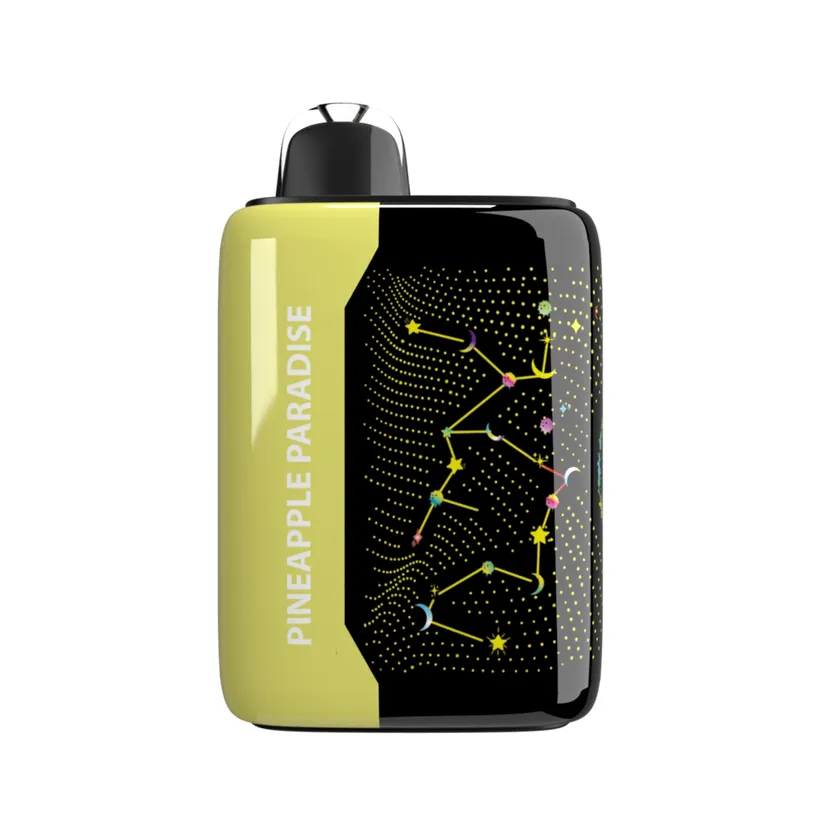
Fume Pro 30K Puffs – Pineapple Paradise
AUD $32.2
Zero-button, 30 000 puff capacity, 5 % nic salt, 12 mL tank, 850 mAh cell with pass-through Type-C. Tropical pineapple layered with chilled citrus—bright enough to mask residual smoker’s palate.
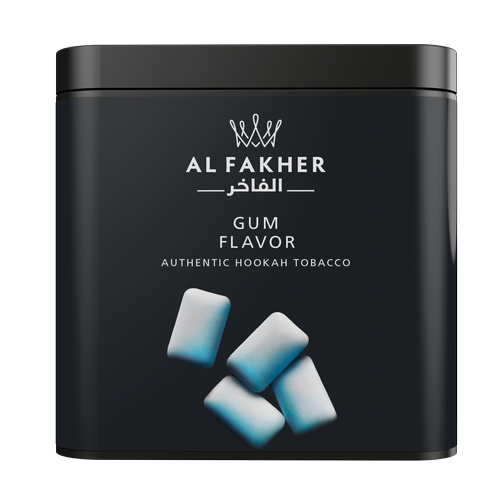
Al Fakher GUM
AUD $4.99
Light spearmint gum profile, 2 % nic salt, 2 mL pod. Perfect for recent quitters who miss the clean “after-smoke” mouthfeel without heavy sweetness. Compatible with devices built for the transition crowd.
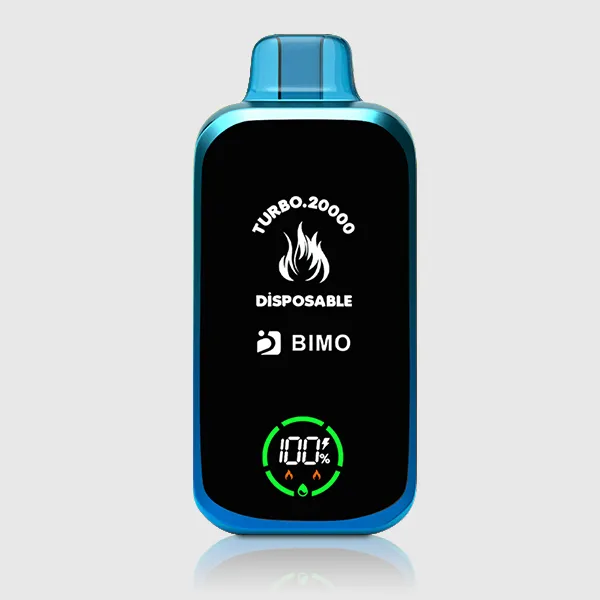
BIMO Turbo 20000 Puffs Blue Razz Ice
AUD $45.9
Dual mesh coil for cooler vapor, 20 K puff rating, adjustable airflow ring so you can tighten draw to cigarette-like restriction. Blue raspberry with menthol finish curbs post-meal cravings.
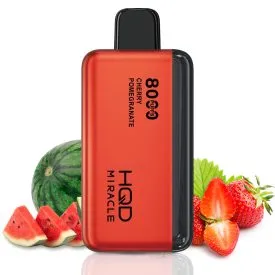
HQD Miracle 8000 Puffs – Strawberry Watermelon 5%
AUD $38
Compact dual-mesh disposable, USB-C, 5 % nic salt. Fruit-forward profile softens harsh throat memories, ideal for social settings where tobacco scent feels taboo.
Need deeper health numbers? Check how your lungs respond when you trade smoke for mist and compare long-term biomarkers.
Zero-Combustion Switch Plan: 30-Day Roadmap
- Pick your hardware day. Choose one device above or any refillable pod with 0.8–1.2 Ω coil and tight airflow. Order extra pods so you’re not forced back to shops that also sell cigarettes.
- Map your triggers. Write down every cigarette you light for 48 hours: time, emotion, activity. Circle the top three triggers; these are your practice scenarios.
- Nicotine match. If you smoke more than 15 a day, start at 35–50 mg salt. Under ten a day? Try 20 mg. Goal is zero ash, not zero nicotine—yet.
- Dual-use grace period. Allow seven days of both, but never in the same hour. Delay each cigarette 15 minutes after mist; cravings usually peak at three minutes then fade.
- Flush the senses. Replace ashtrays, wash curtains, steam-clean car seats. Removing smoke smell rewires cue-reward circuits faster.
- Track carbon monoxide. $30 pharmacy CO monitor gives instant feedback: below 5 ppm by day seven equals combustion-free.
- Drop nicotine after 30 days. Reduce concentration by 25 % every two weeks. Pair each drop with a small reward—cinema ticket, new app, coffee upgrade.
- Exit or maintain. Some stay on 3 mg indefinitely; others go zero then quit hardware. Both paths beat tar.
Frequently Asked Questions
Explore every clinical angle in the expanding health conversation or dive into the cultural shift already underway nationwide.
Related Articles & Recommended Reading
- The Hidden Shift Why Ultra Compact Systems Are Quietly Replacing Traditional Hardware Right Now
- From Chemist Shelves to Midnight Sessions The Definitive Buyer’s Map Through Australia’s Evolving Nicotine Landscape
- The Zero Habit Myth Why Flavor Alone Is Rewriting Australian Vaping Culture
- The Complete Australian Guide to Single-Use Nicotine Mist Devices What Pharmacies and Midnight Doorsteps Won’t Tell You