

Article Overview
Table of Contents
KEY TAKEAWAYS
Market Analysis: Who Actually Handles the Waste Stream
In 2026 the federal Product Stewardship Act expanded to cover “all consumer devices containing integrated power cells.” Translation: if it lights up and you bought it, you can no longer legally bury it. The change triggered a scramble among local councils, big-box retailers and third-party reverse-logistics firms.
Council Map: Where the Free Bins Live
| Council | Location | Accepted Items | Proof Required |
|---|---|---|---|
| City of Sydney | Alexandria Community Centre | Full devices, pods, loose cells | Photo ID + suburb |
| Brisbane City | Upper Mount Gravatt Library | Devices & loose 18650 | Rates notice |
| City of Melbourne | Kensington Transfer Station | Whole units only | Car rego plate scan |
| City of Perth | Leederville Library pop-up | Juice pods, batteries | None (trial phase) |
The National Television and Computer Recycling Scheme added a new stream named “small-format consumer electronics” on 1 July 2026. That umbrella now covers single-use devices that pile up fast. Expect more council libraries to install the familiar lime-green e-waste cages you already know for phones.
Retail Take-Back: Hidden Incentive Programs
Officeworks quietly rolled out a nationwide program called Tech Trade-In Extra in March 2026. Bring any pocket-sized device with a lithium cell—yes, even the half-chewed cherry stick in your car door—and you receive a $5 store credit on the spot. The retailer ships collected units to Battery World’s EPA-licensed hub. The kicker: you are allowed three drop-offs per week, so heavy users can fund their next cable purchase with yesterday’s coils.
Meanwhile safe handling and end-of-life practices are becoming part of staff training at Coles Express and Ampol Roadhouse. Look for the small yellow drum labelled “Take the Charge Out.” The bins accept sealed pods but not loose batteries—security measure after a Darwin worker suffered burns from a ruptured 18650.
Four Real-World Disposal Journeys
User Story
“I had 37 empties in my sock drawer. Kensington Transfer Station scanned my licence plate, weighed the bag and handed me a receipt. Total time: 11 minutes.”
— Leo M., Fitzroy Designer
User Story
“My suburb is 40 km from the nearest council bin. I posted the units to what to do with a device after health scares and the prepaid label cost me zero. They even emailed a destruction certificate.”
— Aisha R., Dubbo Nurse
User Story
“I dissected 50 units, harvested the batteries and sold them to a scrap yard for $118. My mates call me the Urban Miner now.”
— Sam K., Gold Coast Electrician
User Story
“I couriered two cartons back to the online seller under their new ‘post-back’ scheme. The refund hit my PayPal before the parcel arrived.”
— Chloe T., Launceston Student
Purchase Guide: Devices That Create Less Rubbish
The fastest way to reduce end-of-life stress is to pick hardware engineered for longevity. Below are four 2026 models with puff counts so high you will replace them 75 % less often compared with early-generation sticks.
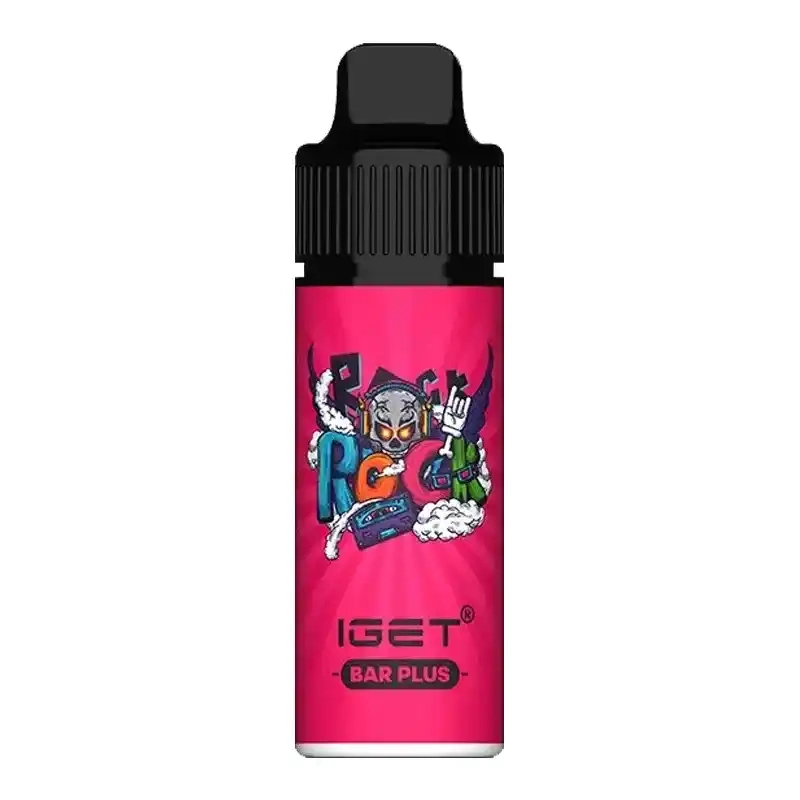
IGET BAR PLUS CHERRY POMEGRANATE 6000 Puffs
AUD $39.90
Purchase e-cigarettes at the Notablevape online store.
✓ Easy Returns
✓ Fast Delivery
✓ Order Online Now!
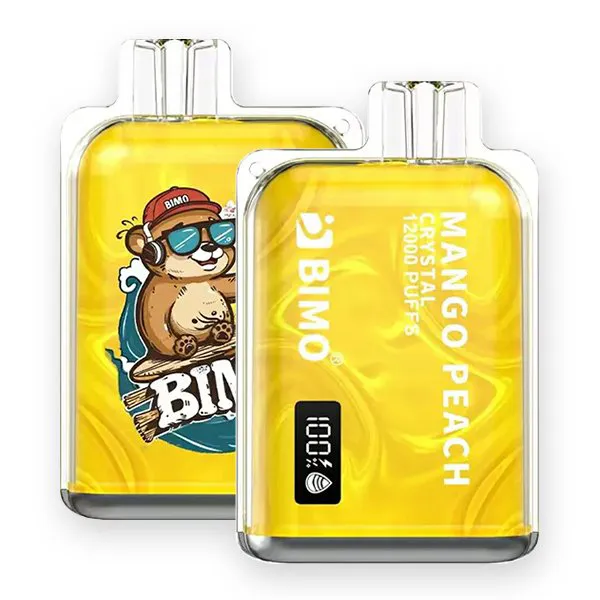
BIMO Crystal 12000 Puffs Mango Peach
AUD $39.99
The BIMO Crystal 12000 Puffs – imported from BIMO Vape Dubai – is a premium disposable vape engineered to deliver an exceptional and long-lasting vaping experience.
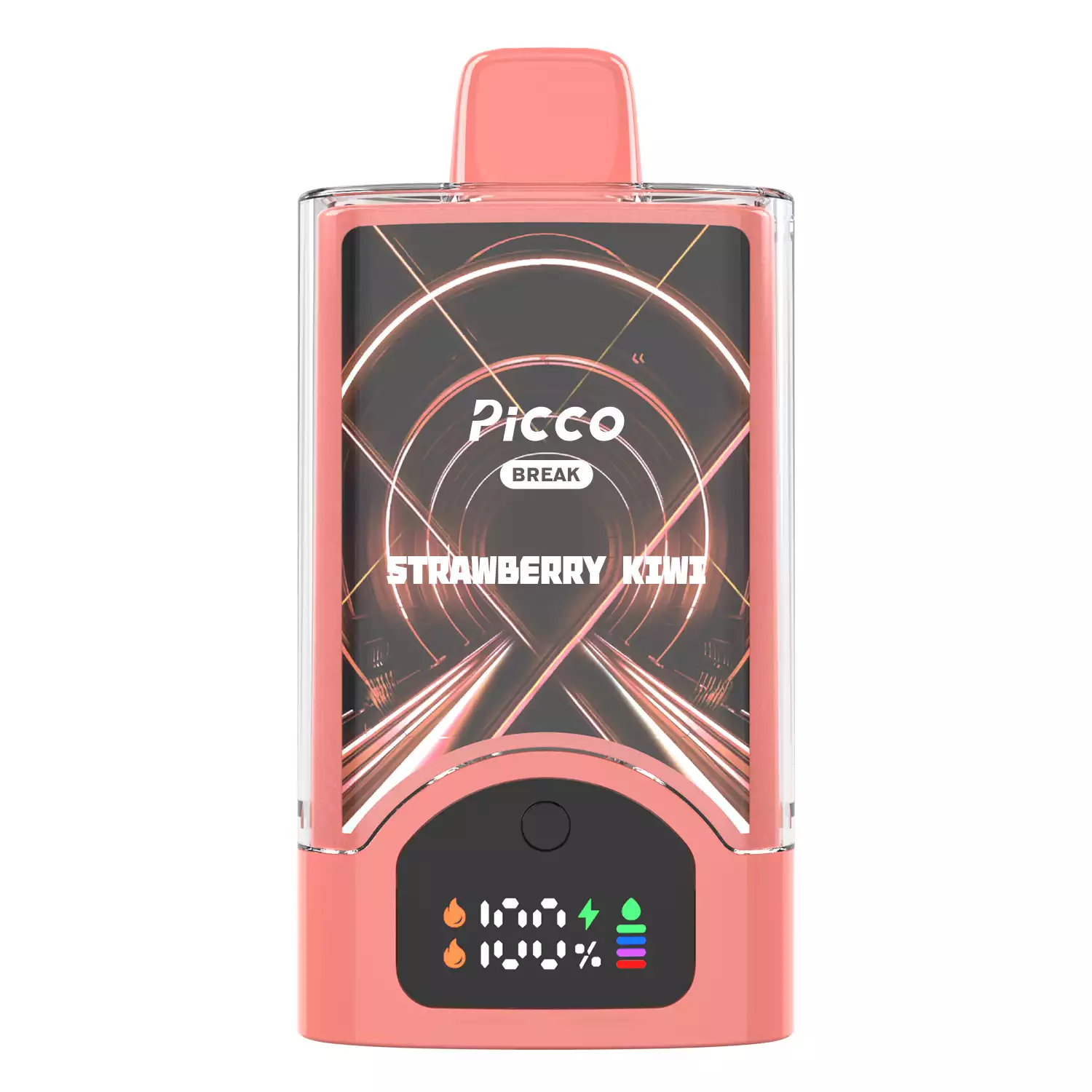
Picco Break 30000 Puffs – Strawberry Kiwi
AUD $39.90
Advanced Dual & Quad Ceramic Core Heating (Triple-Click Switching) – experience superior performance with Picco Break’s innovative heating technology.
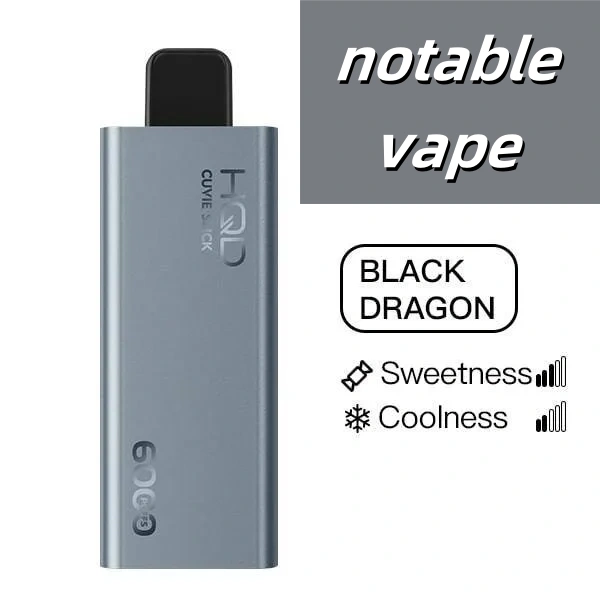
HQD Cuvie Slick 6000 – Black Dragon
AUD $39.90
A sleek 12 ml reservoir and 6000-puff lifespan housed in a matte-black shell with glossy dragon-scale detailing.
Before you order, consider that mass imports flooding Aussie bins often lack the longer-life engineering shown above. A 600-puff stick creates five times the packaging waste per millilitre of e-liquid.
Step-by-Step: How to Retire a Device Legally
1. Drain the Tank Completely
Hold the mouth-piece down over a paper towel and activate the draw sensor until no vapour appears. This prevents nicotine residue from leaking during transit.
2. Remove the Lithium Cell (Optional but Lucrative)
Use a small Phillips head to pop the base cap. Most 2026 units use a shrink-wrapped 18650 or 21700. Slide the cell out, wrap it in electrical tape and place it in a separate zip bag. The rest of the shell is ABS plastic and belongs in the environmental impact under the health lens e-waste bin.
3. Choose Your Drop-Off Channel
- Council pop-up bins: no appointment, bring ID.
- Retail swap boxes: instant store credit, limit 3 per visit.
- Post-back satchels: free label from participating online sellers.
- Scrap yard: cash for batteries, skip if shell still contains liquid.
4. Keep the Receipt
From 1 January 2027 insurers in NSW and VIC will ask for e-waste disposal proof when you lodge a contents-claim for fire damage. The thermal-print slip fits in your wallet.
5. Buy Better Next Cycle
Look for 30 000-puff hardware like the Picco Break or switch to refillable gear you can actually recycle. Your future self will thank you.
Frequently Asked Questions
Related Articles & Recommended Articles
- Why Pharmacists Now Hold the Keys to Cloud Chasing Down Under: The Hidden Economy of Single-Use Mist Devices
- The Hidden Cost of Choosing Wrong: What 7 in 10 First-Time Buyers Miss About Single-Use Cloud Sticks
- cheap disposable vapes australia
- Why 30,000-Puff Script Sticks Are Erasing the Grey Market: A Flavour-First Guide for Australians Who Hate Compromise
