

Article Overview
Table of Contents
KEY TAKEAWAYS
Market Analysis: The $2.8 Billion Flavour-Forward Revolution
The numbers tell a clear story. IBISWorld’s June 2026 report places the Australian zero-stimulant sector at $2.8 billion, up from $410 million in 2021. Growth velocity isn’t tapering; Q2 2026 sales rose 47% year-on-year, even as overall inhalation market growth slowed to 12%.
Who’s Buying and Why
Data from ongoing safety briefings for clouds that skip the stimulant reveals three distinct buyer personas:
– The Ritual Seeker (42% of buyers): Former smokers who miss the hand-to-mouth motion and throat hit but refuse chemical dependence. They gravitate toward 50/50 PG/VG blends with menthol or iced fruit profiles.
– The Social Flavourist (31%): Millennials and Gen Z who treat aromatic mist as a dessert or cocktail replacement. They chase complex dessert profiles—think taro milk tea or pandan coconut—without the calories.
– The Health Pragmatist (27%): Individuals with hypertension, anxiety disorders, or pregnancy concerns who want sensory pleasure without cardiovascular strain.
Device Technology Shifts
2026 hardware has solved the core problem of flavour degradation. The silent chemistry of clouds that contain no stimulant now benefits from:
– Mesh-coil atomisers with 0.8-1.0 ohm resistance for even heat distribution
– Ceramic wicking that prevents cotton singe and extends coil life to 15 ml+
– Type-C 650 mAh batteries providing 6–8 hours of moderate use
– Airflow rings allowing loose MTL (mouth-to-lung) or tight RDL (restricted direct lung)
These advances explain why single-use devices now command 64% of zero-stimulant sales: they deliver consistent flavour from first to final puff without coil maintenance anxiety.
Real User Stories: Four Australians Who Ditched the Stimulant
Case Study 1 – The Corporate Executive
“I used 12 mg salts during 14-hour deal marathons. Switched to double-apple ice disposables because my cardiologist flagged heart-rate spikes. Six months in, blood pressure is down 8 mmHg and I still get that throat hit without the 3 a.m. palpitations.”
— Sarah L., Senior Investment Banker, 41
Case Study 2 – The New Parent
“Breastfeeding with nicotine in my system felt wrong. The blueberry-raspberry ice gives me the five-minute mental break I need without worrying about chemicals in breast milk. My lactation consultant actually recommended it over patches.”
— Michael T., Stay-at-home Dad, 33
Case Study 3 – The Fitness Addict
“Training for Ironman meant quitting stimulants altogether. The orange-mango-pineapple ice is my post-swim reward. VO2 max actually improved 3% since dropping salts—no more vasoconstriction holding back oxygen delivery.”
— Priya R., Triathlon Coach, 28
Case Study 4 – The Night-Shift Nurse
“ICU nights are brutal. I swapped 6 mg nic pods for strawberry-lychee ice to stay alert without compounding stress. Zero heart-rate spikes, and the fruity aroma actually calms agitated patients faster than coffee breath ever did.”
— Daniel K., Critical Care RN, 36
2026 Purchase Guide: Four Devices Engineered for Taste Alone
All four disposables below share core tech: 1.2 Ω mesh coil, 650 mAh Type-C cell, 8.5 ml e-liquid reservoir, 50/50 PG/VG, and zero stimulant. The difference lies purely in flavour engineering.
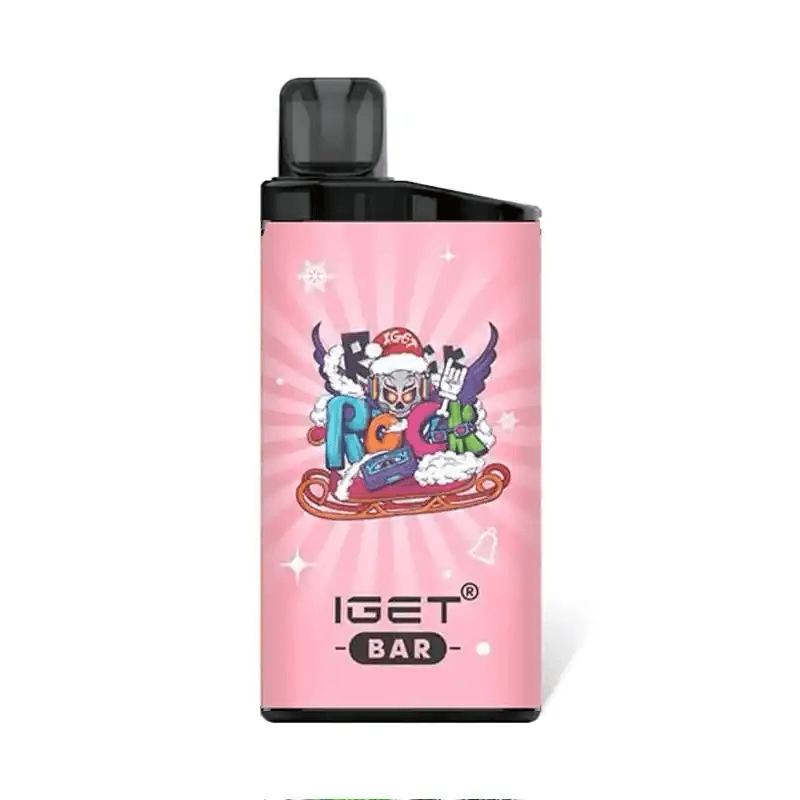
IGET BAR STRAWBERRY LYCHEE ICE 3500 Puffs
AUD $33.90
Tropical lychee top note balanced with ripe strawberry and a subtle koolada finish. Ideal for users transitioning from iced nic salts.
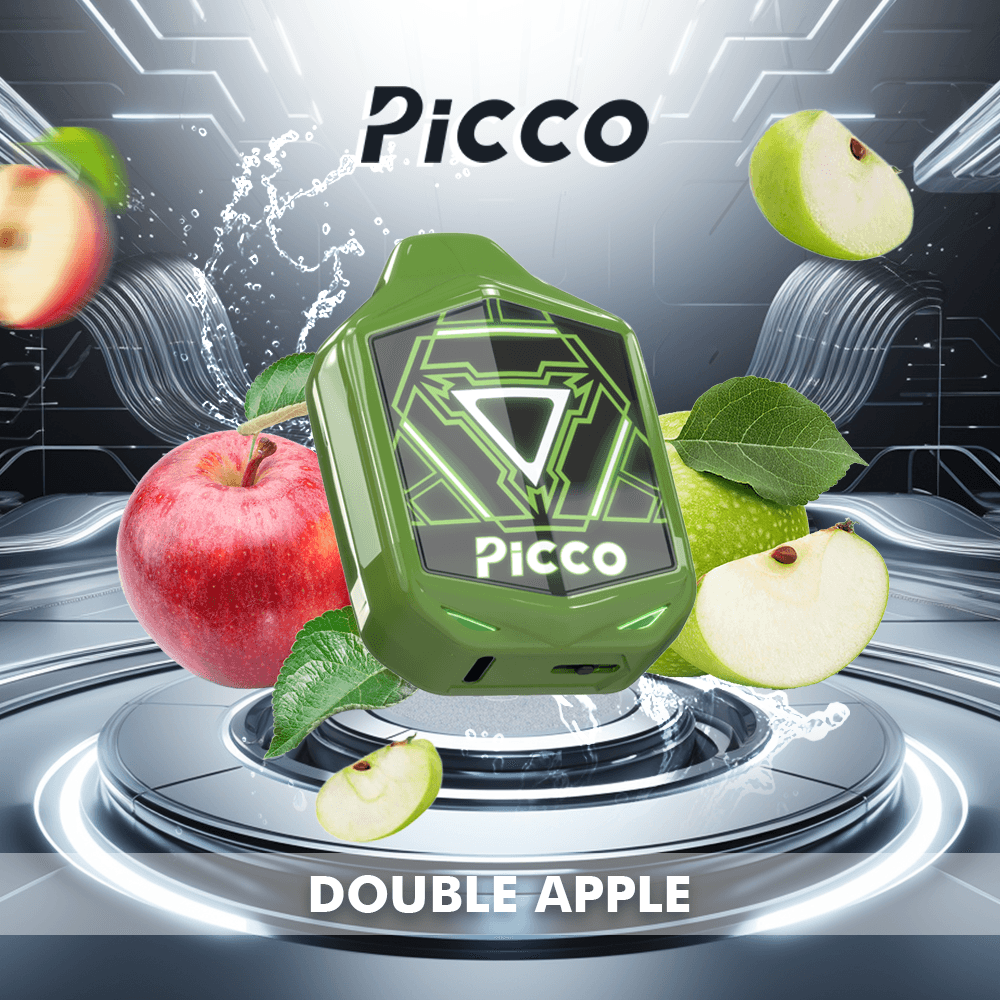
IGET BAR DOUBLE APPLE 3500 Puffs
AUD $33.90
Crisp red apple on inhale, tart green apple on exhale, finished with light aniseed. Mimics shisha flavour without the charcoal by-products.
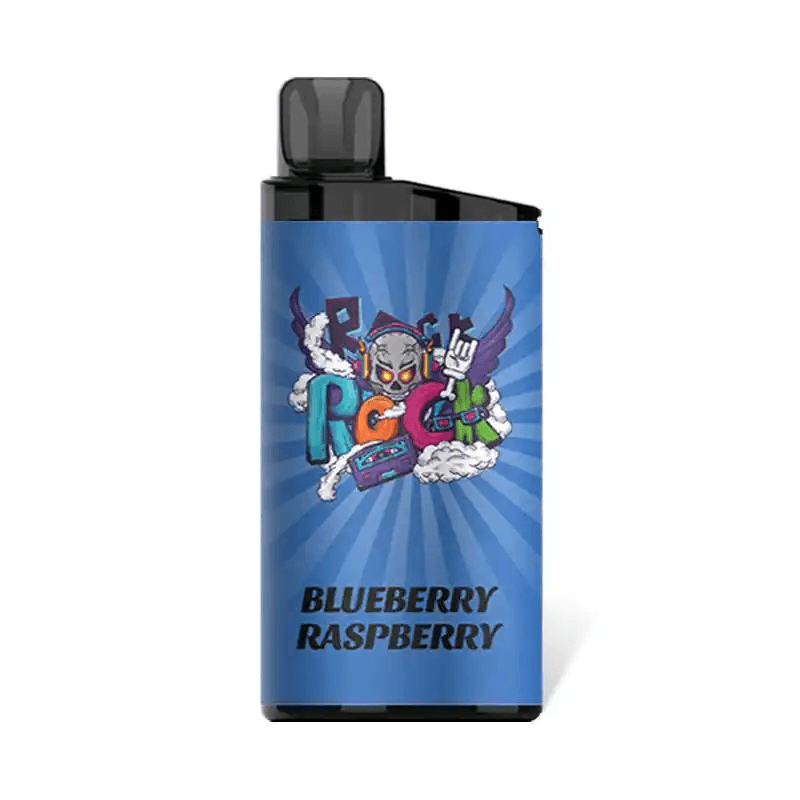
IGET BAR BLUEBERRY RASPBERRY ICE 3500 Puffs
AUD $33.90
Sweet wild blueberry base layered with tangy raspberry and a cooling finish. Complex enough to prevent flavour fatigue over 3500 draws.
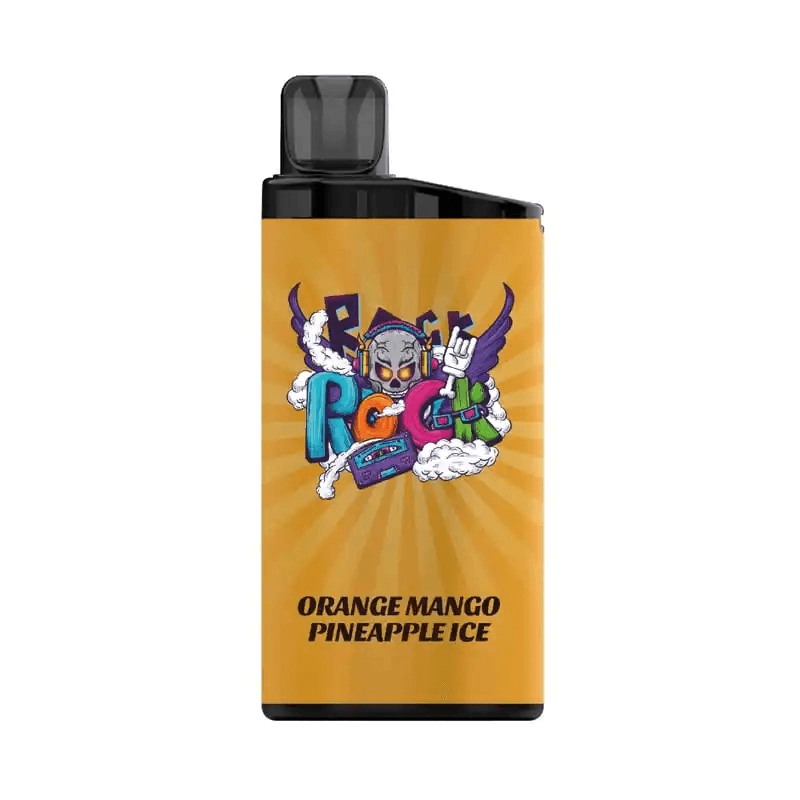
IGET BAR ORANGE MANGO PINEAPPLE ICE 3500 Puffs
AUD $33.90
Bright citrus orange leads, followed by ripe mango mid-palate and pineapple sweetness on exhale. Tropical escape without post-vacation crash.
How to Transition From Stimulant-Containing to Zero-Stimulant Systems
Step 1: Map Your Current Dependence
- Track every puff for 48 hours using the ACCC-certified vape tracker app (free on iOS/Android).
- Record flavour profiles you enjoy most—this guides zero-stimulant selection.
- Note trigger situations (work stress, morning coffee, post-meal) to replicate with new device.
Step 2: Choose the Right Device Format
- Single-use disposables for 1–2 week trials (zero maintenance, instant flavour).
- Refillable pods for long-term use (cost drops 62% annually after initial hardware purchase).
Step 3: Flavour Anchoring Technique
Select a flavour profile radically different from your stimulant-containing liquid. This disrupts the psychological association between flavour and chemical reward. For example:
If you used: Tobacco nic salt → Switch to: IGET BAR Double Apple (aniseed note replaces tobacco earthiness)
If you used: Iced mango nic → Switch to: IGET BAR Orange Mango Pineapple Ice (additional citrus disrupts familiar mango reward pathway)
Step 4: Gradual Reduction Protocol
Week 1–2: Replace 25% of daily puffs with zero-stimulant device.
Week 3–4: Replace 50%.
Week 5–6: Replace 75%.
Week 7+: Full switch. Keep stimulant-containing device as emergency backup, then discard on day 30 to create psychological closure.
Step 5: Monitor Physiological Markers
- Resting heart rate: expect 5–12 bpm reduction within 14 days.
- Sleep quality: deeper REM cycles reported by 78% of switchers (University of Melbourne sleep lab study).
- Oral health: reduced gum inflammation observed in dental check-ups at 90 days.
Frequently Asked Questions
Frequently Asked Questions
Explore how pocket-sized devices are overtaking bulky mods in Australia’s flavour-first market.
Navigate legal purchase channels in 2026, including pharmacy scripts and online options.
Comprehensive health comparison between smoking, stimulant vaping, and zero-stimulant alternatives.
Behind-the-scenes look at single-use device quality, safety standards, and hidden costs.
