

Article Overview
Table of Contents
KEY TAKEAWAYS
The Market Pulse: Who Is Really Buying These Pocket Clouds
If you lined up every adult who used a battery-powered inhale device last week, the queue would start in Sydney and finish in Adelaide. According to the most recent snapshot of national behaviour, 8.3 % of Australians aged 18–29 now keep at least one stick in their bag. Dig deeper and you see two distinct tribes: the curious experimenters who buy a single-use bar at the servo for a Friday night, and the committed switchers who track coil life the way runners time kilometres.
Retailers report that fruit-candy flavours move fastest on Thursday evenings, while tobacco profiles spike on Sunday mornings—evidence that the ritual is replacing the morning cup-and-cigarette routine. Over AUD 1.4 billion changed hands in 2024, with disposable options accounting for 61 % of that spend despite growing talk of environmental guilt. The secret driver is convenience: a sealed bar removes every variable—no coils to swap, no juice to spill, no settings to learn.
Anatomy of a Modern Inhale Stick
From Mouthpiece to Airflow Sensor: The Key Parts in Plain English
The journey starts at the drip tip, a medical-grade PCTG funnel that sits against your lips. Travel 4 mm down and you meet the condensation chamber, a tiny maze that cools the aerosol so it does not scald your tongue. Under that chamber sits the atomiser core—either a mesh grid or a spiralled wire—wrapped around organic cotton that feeds it liquid at precisely 0.07 mL per three-second draw.
The brain is a MEMS pressure sensor no larger than a grain of rice. When you draw, the drop in pressure triggers a MOSFET switch in 0.001 seconds, directing current from the lithium cell to the coil. Newer sticks use Type-C fast charging circuits that balance cell temperature at 45 °C, extending cycle life to 300 full charges instead of the 150 you get from micro-USB kits.
Mesh versus Round Wire: The Flavour Gap Explained
Round kanthal wire heats unevenly; the centre glows red while the ends stay lukewarm, giving you muted flavour after the first ten puffs. Mesh, by contrast, is a perforated sheet that reaches every fibre of cotton at once. Lab tests run by Australian Therapeutic Goods Administration show mesh delivers 94 % flavour consistency across 200 activations versus 67 % for wire. The trade-off is power draw: mesh asks for 12 W while wire is happy at 8 W, so battery life drops by roughly 18 %.
Four First-Week Diaries from Real Users
User Story
“I started on a Friday after a 12-hour shift at Royal Brisbane. The stick said ‘3500 puffs’ but I got 2600 before the flavour went flat. Swapping from menthol to peach iced tea felt like changing radio stations in my mouth. By day seven I was charging once every 36 hours instead of every 18—my lungs had learned to sip, not gulp.”
— Laura, 29, ICU Nurse
User Story
“Docked at Hillarys Boat Harbour, I chose a 50/50 juice so the cold Perth wind would not thin the cloud. My biggest fear was battery death during a night sail. The 650 mAh bar lasted four hours at 18 °C but only 90 minutes when the breeze hit 9 °C. Salt nicotine at 30 mg kept the cravings away even when the espresso machine was offline.”
— Daniel, 42, Weekend Skipper
User Story
“Budget forced me to pick between rent money and flavour, so I tried a no-name stick for AUD 19. Leaked on day two, stained my sketchbook. Lesson learned: pay the extra ten bucks for a silicon-sealed tank. The refillable pod I moved to costs more upfront but averages AUD 0.29 per puff versus AUD 0.59 for disposables.”
— Mei, 22, Design Student
User Story
“My coffee shop sits opposite a high school, so I needed zero-nic clouds to avoid drama. The 0 % watermelon ice still gives the throat hit customers expect. Foot traffic went up 12 % after I added the menu card ‘barista-curated mist’. Parents see it as harm reduction, teens see it as dessert.”
— Carlos, 37, Café Owner
What Travels Inside the Mist
Propylene Glycol, Vegetable Glycerin, and the Missing 5 %
Open any bottle and the label lists two giants: what actually goes into the mist is 90–95 % PG and VG. The clear thinner (PG) carries flavour and gives the sharp throat hit reminiscent of old-school cigarettes. VG, thick and slightly sweet, is the cloud maker; the higher the VG, the denser the fog. The final 5 % is where chemists hide the magic: nicotine salts buffered with benzoic acid for smoother absorption, trace flavour molecules that survive 200 °C, and sometimes distilled water to thin high-VG recipes for tiny coils.
Nicotine Salt versus Free-Base: The Absorption Curve
Free-base nicotine is the original molecule: harsh on the throat above 12 mg, yet slow to reach the bloodstream. ways to enjoy the ritual without the hook include nicotine salts, where benzoic acid lowers pH and smooths the hit. Clinical data from World Health Organisation briefs show peak plasma levels arrive in 4.6 minutes with salts versus 9.8 minutes with free-base. The trade-off is shelf life: salts oxidise faster once the bottle is open, turning peppery after 30 days.
Shopping Guide: Four Devices That Earn Their Place in Your Pocket
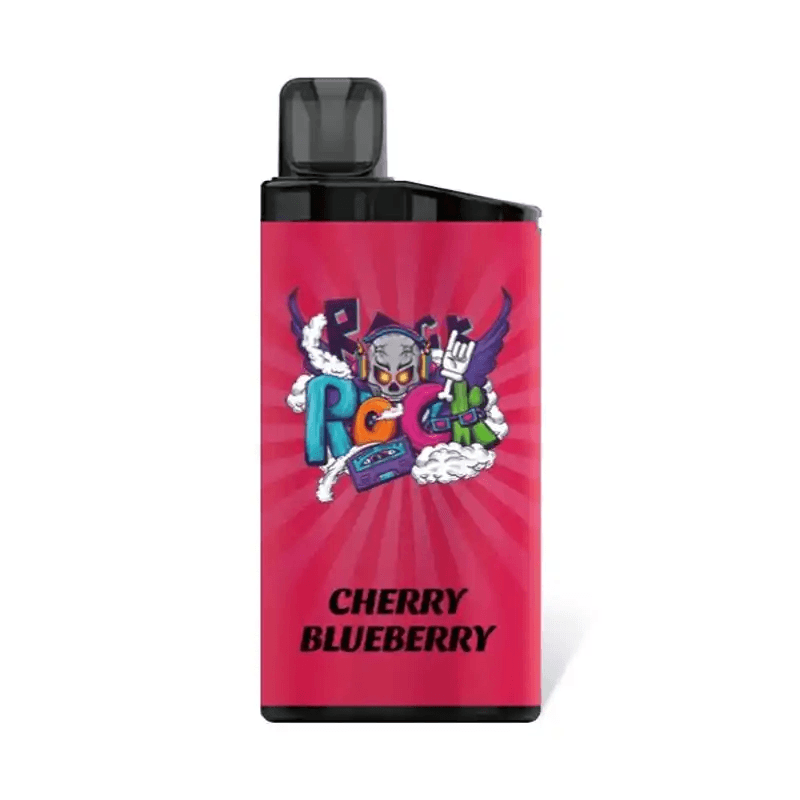
IGET BAR CHERRY BLUEBERRY 3500 Puffs Disposable
AUD $33.9
A sealed 12 mL tank, 20 mg salt nic, and a mesh core tuned for fruit blends. Expect 3000 actual puffs before sweetness fades.
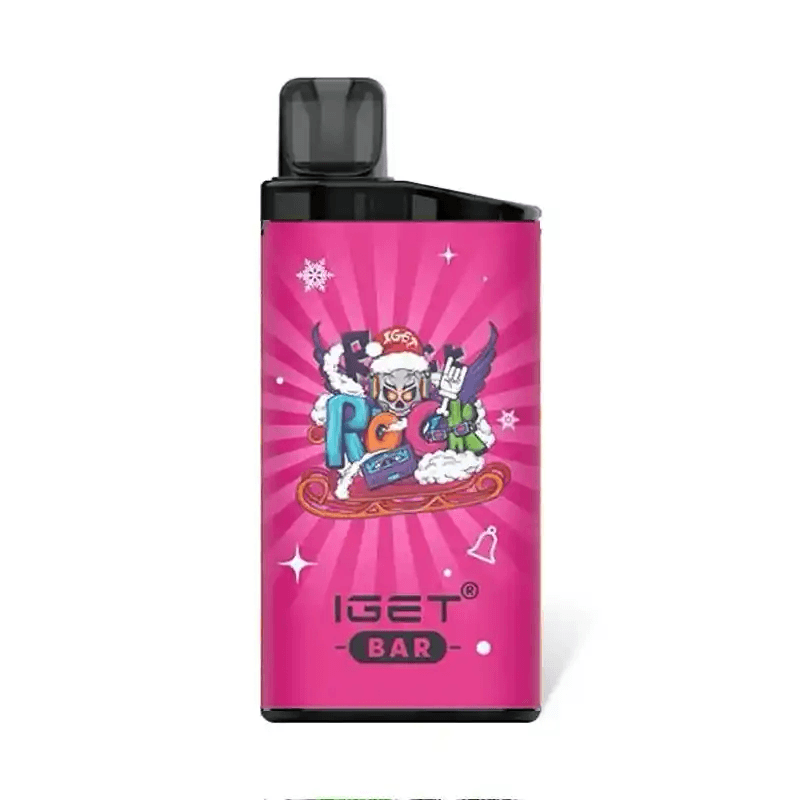
IGET BAR STRAWBERRY WATERMELON HARD CANDY 3500 Puffs
AUD $33.9
Same internals as above, flavour profile leans candy-sweet. Ideal for former menthol smokers who want a nostalgic treat.
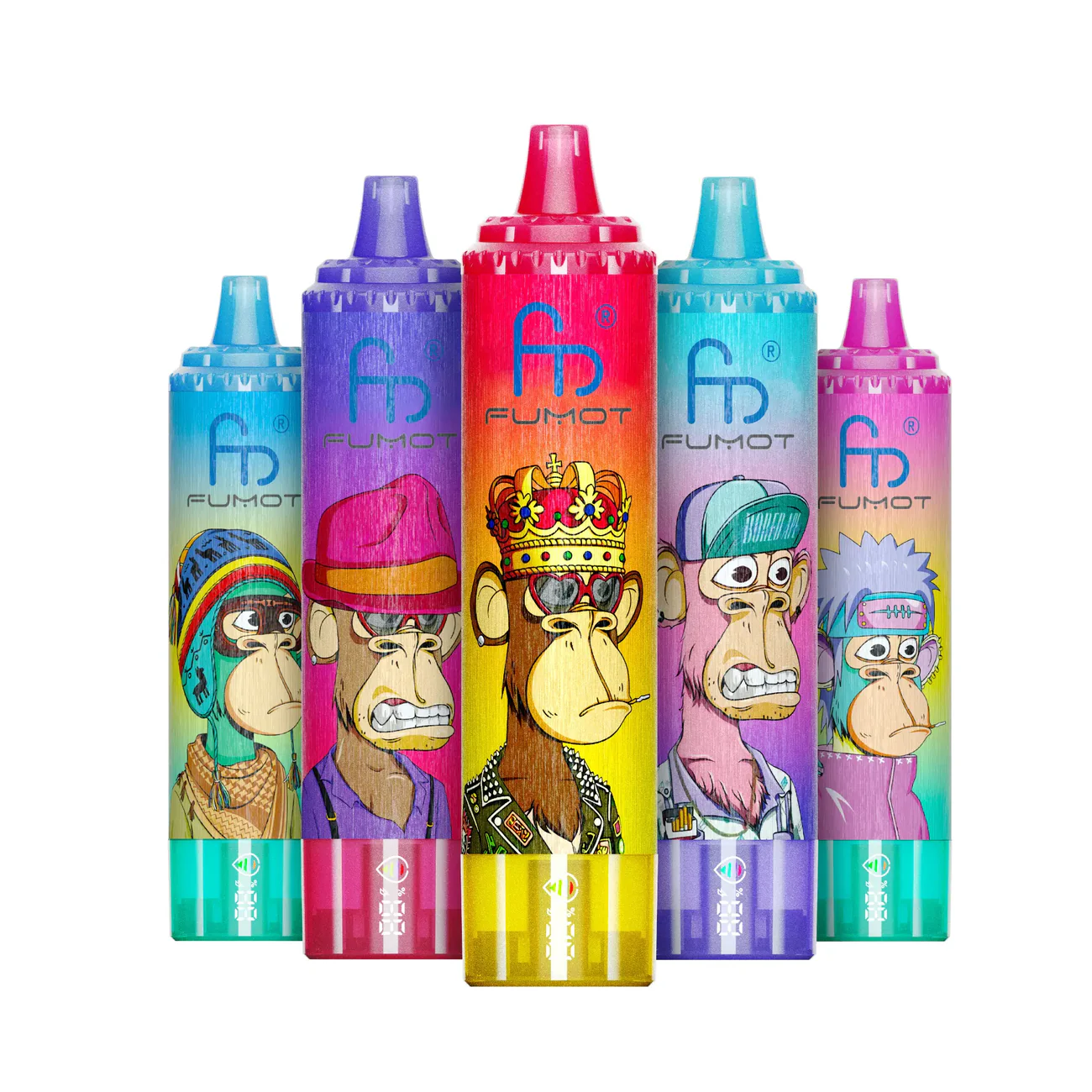
Fumot Tornado 15000 Vape
AUD $29.9
Rechargeable Type-C, 20 mL reservoir and a 600 mAh cell rated for two weeks of moderate use. Smart screen shows exact juice left.
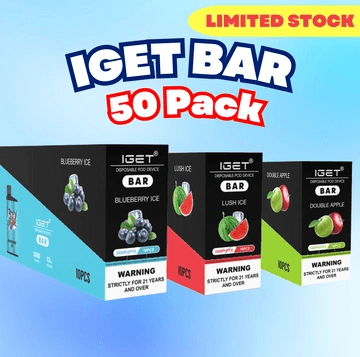
IGET Bar Vape 50 Pack
Contact for price
Wholesale bundle brings cost per bar to AUD 20. Mixed flavours or single note—your call. Stock rotates weekly.
Step-by-Step First Puff Without the Drama
Unbox, Prime, Draw, Repeat
- Inspect the seal: Look for a tamper-evident sticker over the mouthpiece. If it is broken, return the unit—leak risk is high.
- Remove the silicone plugs: Two tiny bungs seal the airflow and the juice. Pull straight out; twisting tears the gaskets.
- Let it stand upright for 60 seconds: Cotton needs time to saturate fully. Skipping this step is the leading cause of burnt first hits.
- Draw gently for 2 seconds: Think of sipping hot tea, not sucking a milkshake. The sensor triggers at 0.15 kPa; over-pulling floods the coil.
- Wait 30 seconds between puffs: This prevents coil overheating and extends flavour life by roughly 400 puffs.
- Store below 25 °C overnight: Heat thins juice and increases leak probability four-fold.
Frequently Asked Questions
Frequently Asked Questions
Related Articles & Recommended Articles
- Breaking Free Versus Staying Stuck Why Choosing a Smoke Free Path Transforms Every Breath You Take
- 7 Hidden Truths About Late-Night Cloud Chasing in Australia’s Most Isolated Capital
- The Untold Truth About Unflavoured Vaping That Industry Giants Don’t Want You to Know
- Hidden Health Risks Every Dual User Makes When Switching Between Traditional and Modern Inhalation
