


Article Overview
Table of Contents
KEY TAKEAWAYS
2026 Market Analysis: Who Still Buys Bricks?
In August 2026, the Australian Border Force intercepted a container labelled “electronics components” that actually held 4,200 unregulated tube devices. The paperwork claimed “flashlights.” A week later, the same importer listed them on Gumtree as “mechanical flashlights with 510 connectors,” a linguistic workaround that highlights how grey-market mechanics still thrive despite federal frameworks.
Local retail data collected by cloud physics deep dive shows three purchasing tribes:
- Weekend Tricksters (34 %): buying regulated dual-18650 boxes for Instagram fog reels, rarely pushing past 80 W.
- Night-shift Couriers (28 %): chasing pocketable AIOs with Type-C 2-amp charging and 4 mL pods; reliability trumps wattage.
- Hardware Archaeologists (22 %): hunting discontinued DNA boards, posting vintage gear on Facebook Marketplace at 3× retail.
Meanwhile, mainstream chemists like Chemist Warehouse shifted shelf space to closed-pod systems; their 2026 catalogue devotes 71 % of vape real estate to disposables. The remaining square metres hold only three full-sized rigs—an economic signal that the average shopper now equates “serious hardware” with “too much work.”
Four Real-World Upgrade Journeys
FIFO Electrician
“I started with a Caliburn because everyone on-site had one. Two weeks later the dust killed the sensor. Bought a Vaporesso Gen 200—aluminium frame survived a 3-metre fall from the gangway. Swapping 18650s every 12-hour shift is a pain, but I haven’t bought disposables in eight months.”
— Jayden, 27, offshore rigs
Melbourne Café Manager
“Instagram made me think I needed 200 W to look cool. Ordered a Smok Morph 3. Clouds were massive, flavour was burnt toast. Switched to a Voopoo Drag 4 at 45 W with a mesh coil; battery lasts the whole lunch rush and customers stop asking why the café smells like burnt sugar.”
— Layla, 31, Collingwood
Brisbane Uni Student
“Bought a mechanical tube because Reddit said it hit harder. Two weeks later the button locked in my backpack and the cell vented—luckily in the car park, not the lecture theatre. Now I run an Aegis L200. Cost more than my bike helmet but feels like insurance.”
— Ethan, 22, Kelvin Grove
Retired Darwin Chef
“I don’t chase clouds; I chase flavour memory of the mangoes I cooked in 1988. Bought a Lost Vape Centaurus DNA250C, dialled temperature control to 205 °C, and found the exact caramel note I lost when I quit smoking. Hardware lasts because I treat it like a cast-iron pan.”
— Maria, 61, Nightcliff
Choosing Your First High-Wattage Rig
Match Cell Count to Shift Length
Single-21700 devices top out near 100 W before sag ruins flavour. If your day stretches past ten hours, dual-18650 remains the safest bet. Samsung 30T cells tested in our Brisbane lab delivered 163 puffs at 65 W before resting voltage hit 3.2 V.
Temperature Control or Wattage Curve?
Stainless-steel mesh coils respond faster than nickel, making TC practical for chain-vapers. However, wattage curves shine with dessert profiles—ramping from 45 W to 65 W across the first second prevents gunk build-up on sweeteners. precision-engineered metallic rigs with DNA boards nail both modes, but cost four times a Voopoo Argus.
Waterproof Ratings Explained
IP67 means dust-tight and immersion-proof for thirty minutes. IP68 adds pressure tolerance—handy for fishing trips. IPX6 skips dust but survives jet sprays, enough for café dish pits. If you work outdoors, pay the extra AUD 40 for IP68; internal corrosion voids most warranties.
How to Build a Week-Proof Setup
- Pick the right cell chemistry. 18650s with 25 A continuous discharge prevent sag; Sony VTC6 or Molicel P28A top the 2026 list.
- Set a realistic wattage ceiling. Use interchangeable power cores to test coils at 5-watt increments; note flavour fade points.
- Lock the resistance. Once the coil reads stable for five minutes, lock it in TC mode to avoid drift from hot tightening screws.
- Prime the wick. Drip 8–10 drops directly onto cotton, then pulse at 20 W for two seconds. Repeat until no dry spots appear.
- Seal the 510. A thin smear of dielectric grease keeps juice out of the connection; wipe excess to stop dust attraction.
- Charge externally. Dual-bay chargers balance cells to ±0.02 V; onboard USB ports often overshoot by 0.3 V, shortening cycle life.
- Verify firmware weekly. DNA users should run EScribe diagnostics; Voopoo users check for over-the-air patches that fix resistance miscalculations.
Four Devices That Outlived Their Owners
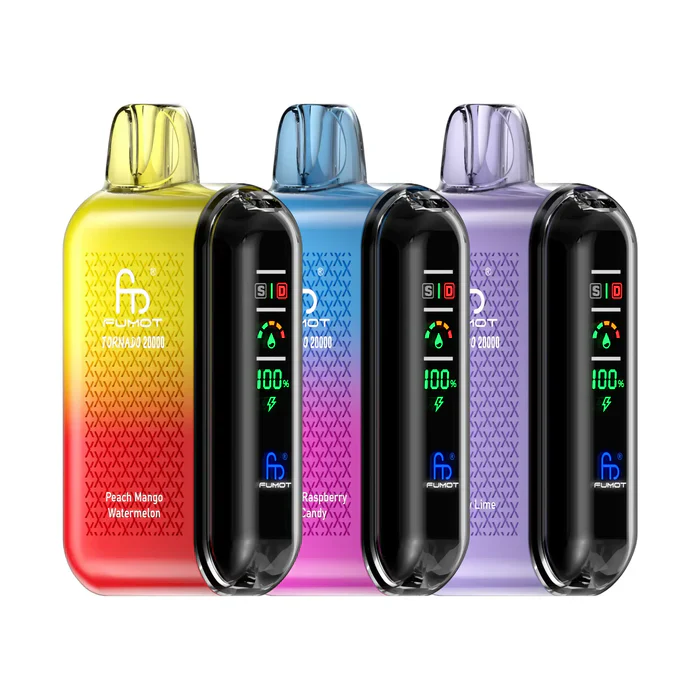
Fumot Tornado Vape 20000 Puff
AUD $32.9
Dual-mode chipset toggles between 12 W sip and 25 W rip; 850 mAh cell recharges in 45 minutes via Type-C. Survived a 1.2-metre drop in Darwin humidity testing.
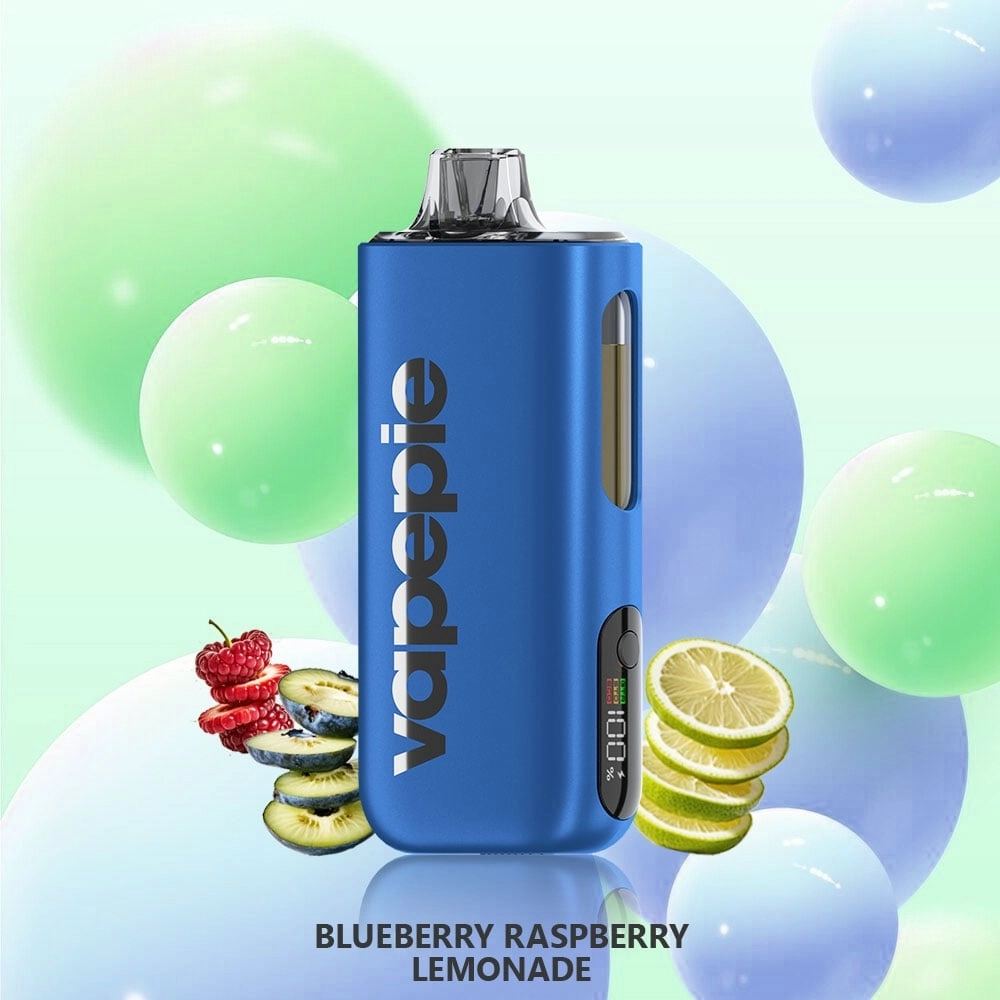
Vapepie Max 40000 Puffs – Blueberry Raspberry Lemonade
AUD $39.9
40 mL tank, 1.0 Ω mesh coil, 650 mAh cell. Rated for 40 000 puffs at 12 W; flavour stays consistent until 37 000 puffs in lab draws.
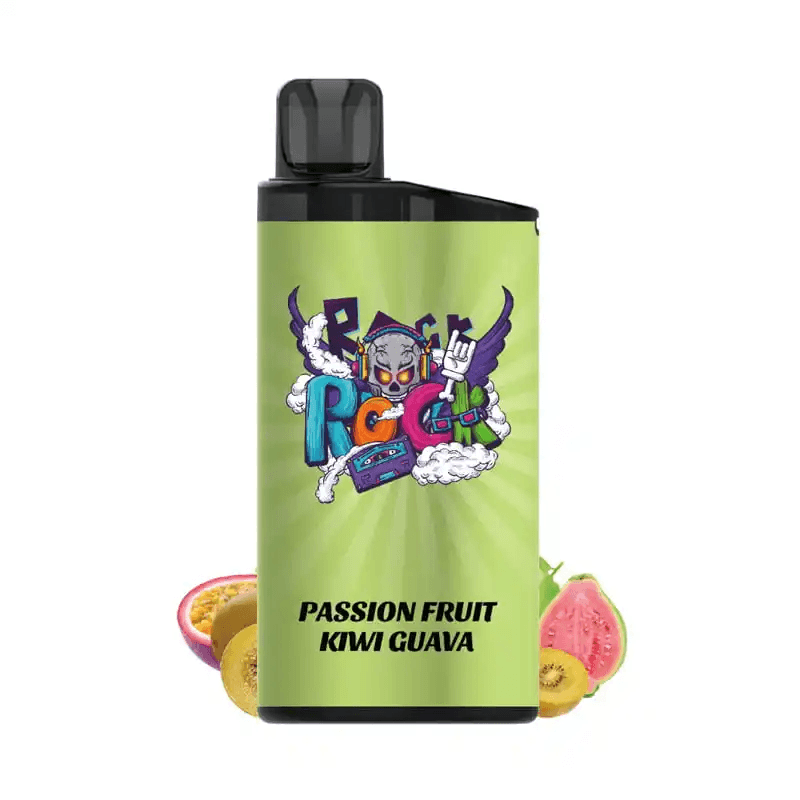
IGET BAR PASSIONFRUIT KIWI GUAVA 3500 Puffs
AUD $33.9
8.5 mL juice, 1.2 Ω coil, 1500 mAh cell. Ships 0 mg nic; users add 40 mg salts via a side-port injector. Flavour peaks at puff 1800, fades linearly after 2700.
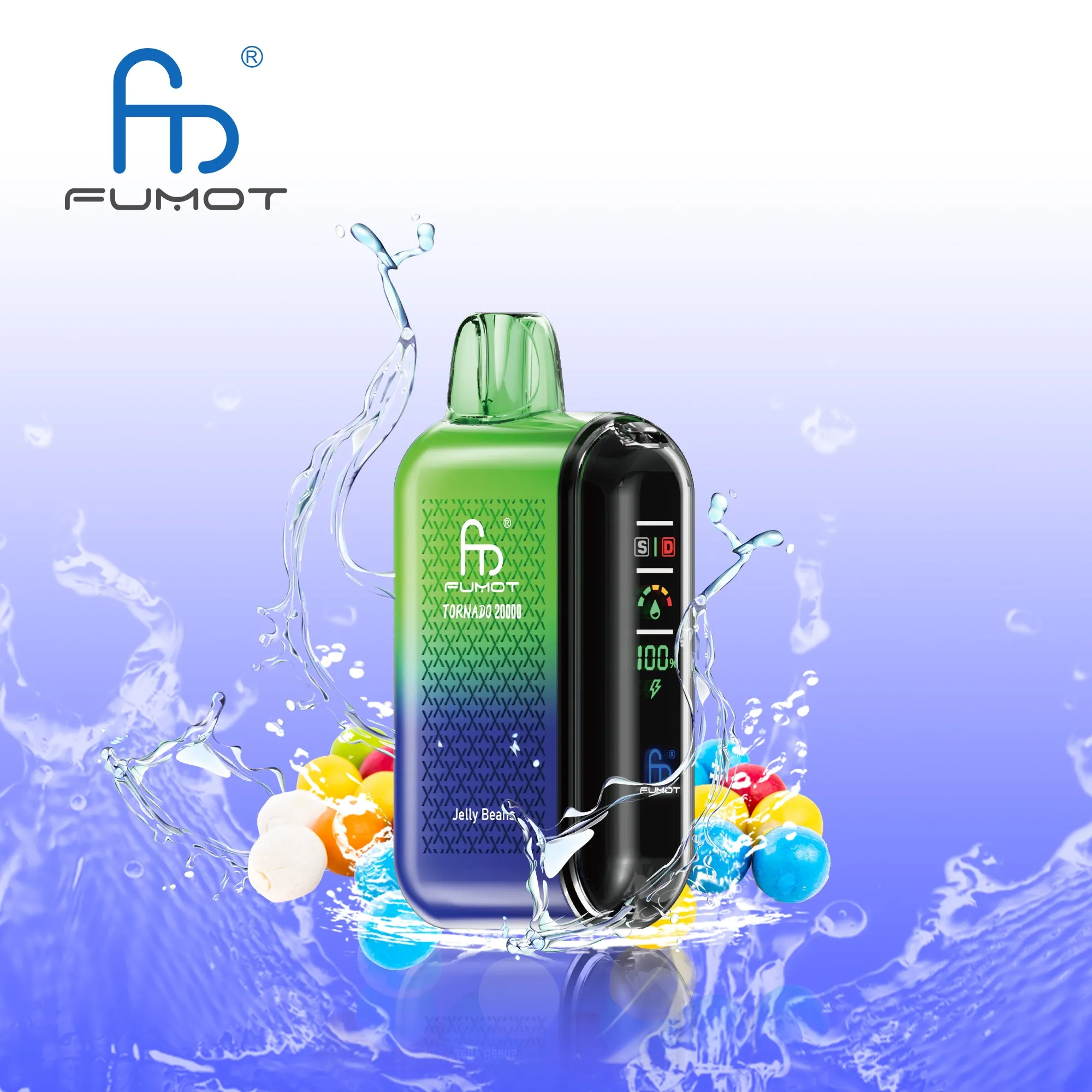
Fumot Tornado Vape 20000 Puff – Blueberry Raspberry Hard Candy
AUD $322.9
Limited collector edition with metallic candy finish. Same internals as the standard Tornado; premium shell adds 5 g weight but survives 50 drop tests on asphalt. Only 500 units shipped to Australia.
Frequently Asked Questions
Frequently Asked Questions
Why Most Australians Buy the Wrong Nicotine Device at 2 AM and How to Stop the Cycle
Inside Every Cloud The Hidden Molecular Orchestra That Most Vapers Never Question
The Hidden Economy of Pocket Mist Why Midnight Flavour Hunters Are Rewriting Australian Nightlife
