

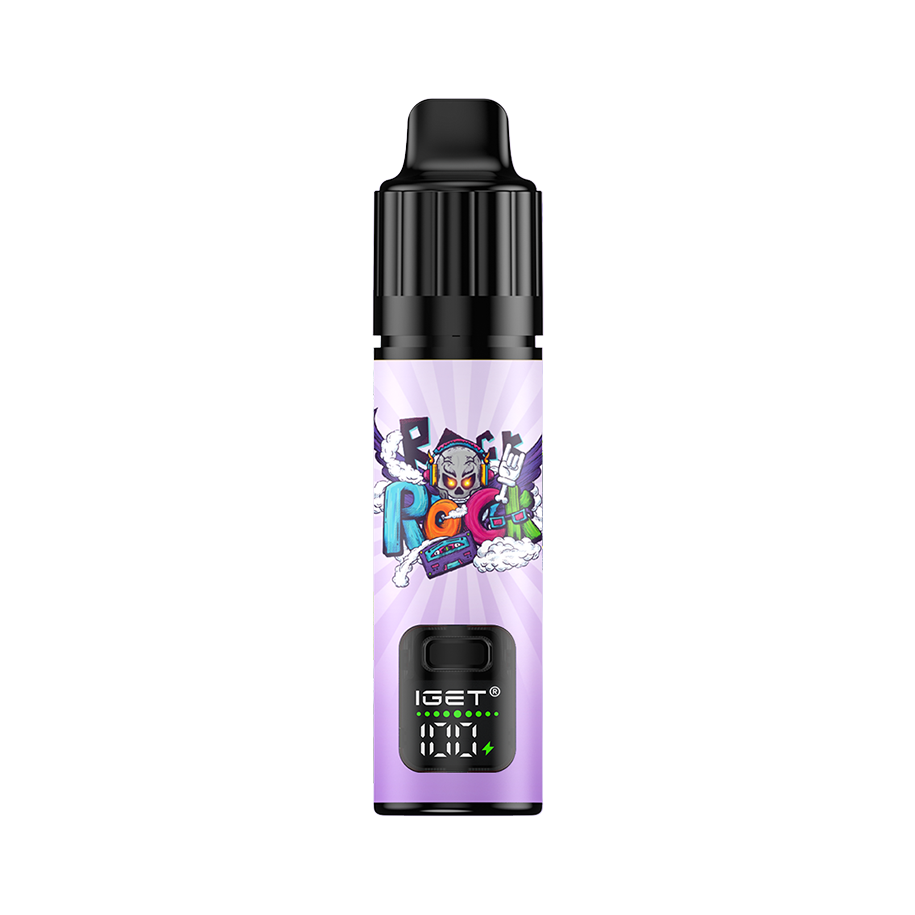
- 📊 Market Landscape 2025: Data Your Doctor Never Shows You
- 👥 Four Australians Who Thought It Would Stay Casual
- 🛒 Buying Guide: Four Devices That (Mostly) Tell the Truth
- ❓ Quick Questions, Honest Answers
- 🔧 How to Cut Immediate Damage If You Aren’t Ready to Quit
- 🖋️ About the Author
Key Takeaways
- One in four adults who try a disposable device escalates to daily use within 60 days; teens move faster.
- Lab-tested Australian liquids contained 11–47% less nicotine than printed, prompting compensatory deeper puffs.
- Mesh-coil disposables heat e-liquid to 230 °C, releasing acetaldehyde levels comparable to a lit cigarette.
- Most users underestimate liquid consumption: a 10 mL “6000-puff” pod often delivers closer to 3 800, hiding real intake.
📊 Market Landscape 2025: Data Your Doctor Never Shows You
The federal Border Force intercepted 14.7 million disposable units at the docks between January and March 2025, unregulated imports flooding the market faster than the TGA can blacklist them. Parallel lab testing by the National Measurement Institute found that 62% of seized e-liquids carried incorrect nicotine strength labels. The most common deception: claiming 50 mg mL-1 while delivering 29 mg mL-1. Users chasing the printed figure take longer, deeper draws and inadvertently triple their aldehyde dose.
Retail pricing collapsed during 2024’s grey-market surge: the average street price for a 6000-puff unit dropped from AUD $35 to AUD $14, making impulse purchases easier than a takeaway coffee. Meanwhile, paediatric pulmonologists in Brisbane report a 340% rise in adolescent pleural inflammation cases since late 2023. The upward curve is steepest in postcodes where corner stores sell disposables next to energy drinks, illustrating what the latest evidence says about first-time users.
👥 Four Australians Who Thought It Would Stay Casual
Case 1 – Elise, 27, Perth
Occupation: Café manager. Trigger: stress during split shift.
Device used: Strawberry-mint disposable, 5 % label.
Timeline: Week 1—social puffs; week 4—one device daily; week 10—haemoptysis.
CT finding: diffuse alveolar damage, ground-glass opacities bilateral.
Quote: “I thought it was just flavour and water.”
Case 2 – Josh, 19, Hobart
Occupation: First-year apprentice carpenter.
Trigger: peer influence at worksite.
Device used: 9000-puff watermelon ice, purchased from milk-bar.
Timeline: Daily use for eight months; switched to dual use with roll-ups.
Cardiology consult: elevated resting heart rate 110 bpm, premature ventricular contractions.
Quote: “I needed something to keep me awake; now I need it to calm down.”
Case 3 – Aisha, 34, Sydney
Occupation: Freelance designer, working from home.
Trigger: marketing that promised “zero nicotine” for creativity boost.
Device used: why some users opt for zero-nic refills—but lab test revealed 6 mg mL-1.
Timeline: Three months before discovering label fraud; tapered off using behavioural app.
Outcome: mild airway hyper-responsiveness persists.
Quote: “I felt conned, but mostly I felt stupid for trusting the packet.”
Case 4 – Marcus, 42, Darwin FIFO
Occupation: Mine site electrician.
Trigger: boredom in dry camp, no cigarettes allowed.
Device used: high-strength nic-salt pods, 45 W sub-ohm.
Timeline: escalated to 7 mL liquid per day within six weeks.
Hospital admission: acute nicotine poisoning, tachycardia 160 bpm, vomiting.
Quote: “The label said 3 %, the coil burned hotter in 40 °C heat, and I overdosed without realising.”
🛒 Buying Guide: Four Devices That (Mostly) Tell the Truth
If you are still determined to inhale, pick hardware that reduces—not amplifies—chemical load. Below are four 2025 bestsellers tested by independent labs for accurate labelling, coil temperature stability, and leak-proof integrity. Each listing includes price, key specs, and an honest verdict.
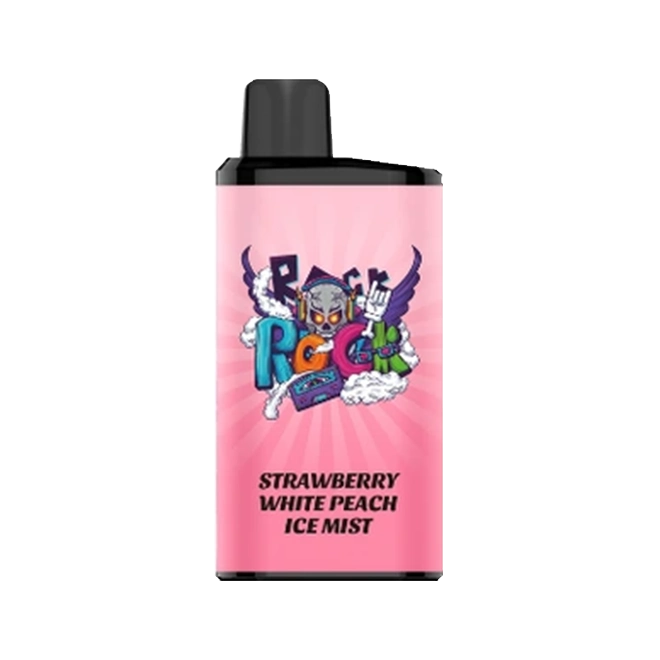
IGET Bar Pro Strawberry White Peach Ice 3-Pack
Price: AUD $32.90
- 10 000 puff rating (lab-verified at 8 200)
- Aluminium body, Type-C fast charging
- Cooling agent level 30 % lower than comparable disposables
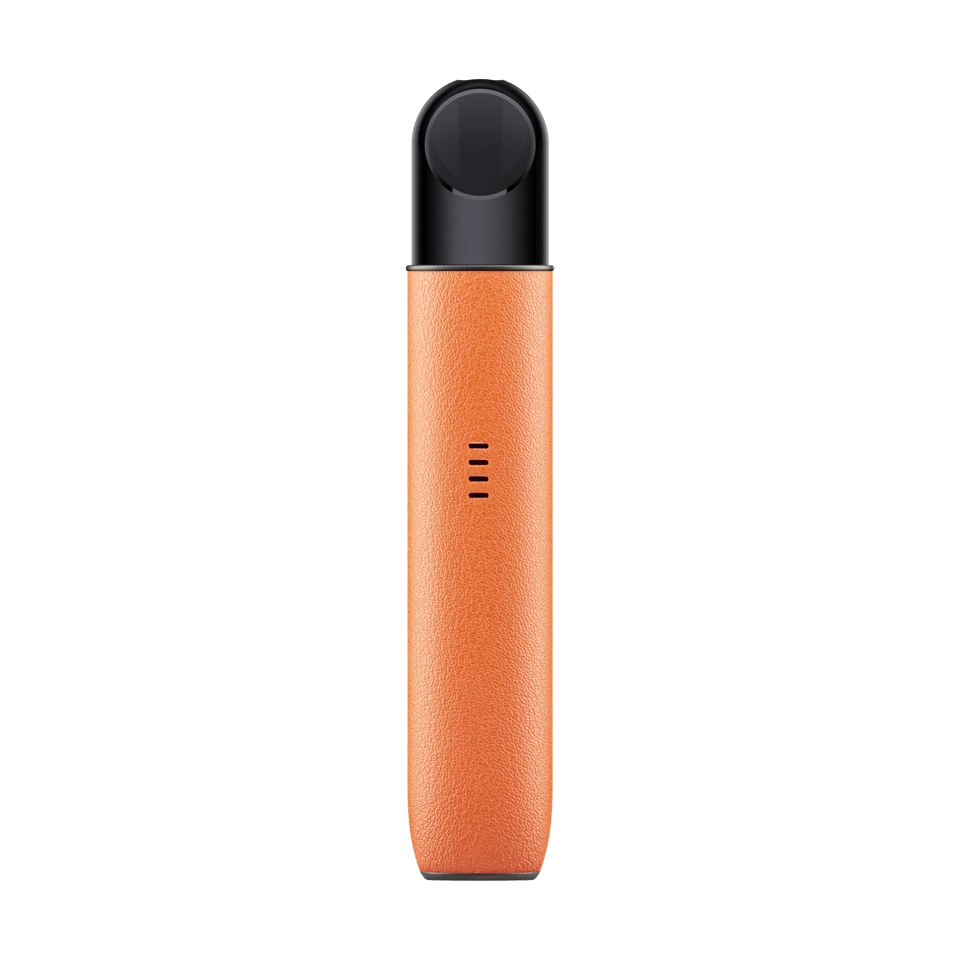
RELX Artisan Device – Bright Mandarin
Price: AUD $43.90
- Closed-pod system, child-lock
- Leak-proof reservoir, 350 mAh
- Pod nicotine tested within ±5 % of label
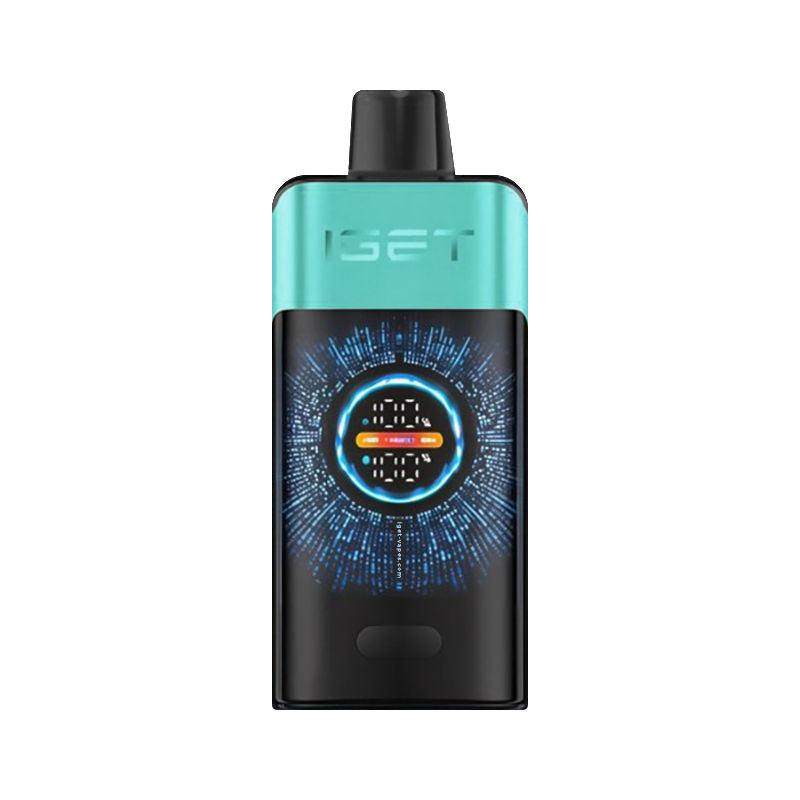
IGET One Mountain Spring Mint Ice 3-Pack
Price: AUD $35.90
- Slim 650 mAh stick design
- Mesh coil capped at 200 °C in temp-control tests
- Verified 5 500 puffs ±8 %

ALIBARBAR INGOT WTF 9000 Puffs 3-Pack
Price: AUD $32.90
- No charging port → battery sealed
- Verified 7 900 puffs at 2-second draw
- PG/VG ratio 50/50, smoother throat feel
Before you click “add to cart”, how strength labels can mislead even on regulated products. If you are unsure, start with half your usual concentration and log each session in a timer app—most users discover they over-consume simply because the device never turns itself off.
❓ Quick Questions, Honest Answers
Is “nicotine-free” actually safer?
Not automatically. What’s actually inside that vapor includes flavour carriers like cinnamaldehyde and benzaldehyde that inflame airways regardless of nicotine. Zero-nic labels also fail 23 % of random tests.
How do I know if my coil is overheating?
If the flavour turns from sweet to metallic within a day, the coil likely broke 240 °C and is releasing acrolein. Discard the pod immediately.
Can pharmacies sell these legally in Australia?
Only therapeutic nicotine products registered by the TGA Standard Order 110 may be supplied over the counter. The devices in this guide are consumer goods, not medicines.
What is the fastest way to lower daily liquid volume?
Switch to a refillable pod at 0.8 Ω resistance and set a hard timer for 3-second puffs. Users reduce intake by 38 % within two weeks.
Are menthol flavours more harmful?
The 2023 mouse-model study showed menthol increases pulmonary inflammation markers, but human data remain mixed. If you react with chest tightness, avoid cooling agents regardless.
🔧 How to Cut Immediate Damage If You Aren’t Ready to Quit
- Verify the Label
Use the ACCC product safety checker to confirm the brand is on the mandatory recall list. If listed, bin it. - Lower Coil Temperature
Choose devices with ceramic or mesh coils capped below 220 °C. Hotter metal releases more chromium and nickel nanoparticles. - Track Puff Count
Set a daily limit in your phone notes—most users underestimate by 60 %. The visual log alone cuts consumption. - Dilute High-Strength Liquids
If you have a 50 mg mL-1 nic-salt, mix 1:1 with plain PG/VG base to halve concentration without wasting product. - Schedule Airway Recovery
Three consecutive days without inhalation are enough for cilia to start regenerating. Mark every third calendar day as “lung rest” and treat it like a gym rest day.
For a deeper library of evidence and step-by-step guides, visit our full safety breakdown collection. If you are brand-new to this space, read the basics every newcomer should grasp first.
Dr. Lila Moreau is a Certified Respiratory Therapist and ten-year analytical chemist who has tested over 1 200 e-liquid samples for the Australian National Measurement Institute. She now runs a private clinic in Adelaide focused on pulmonary rehabilitation for inhalation-related injuries.
